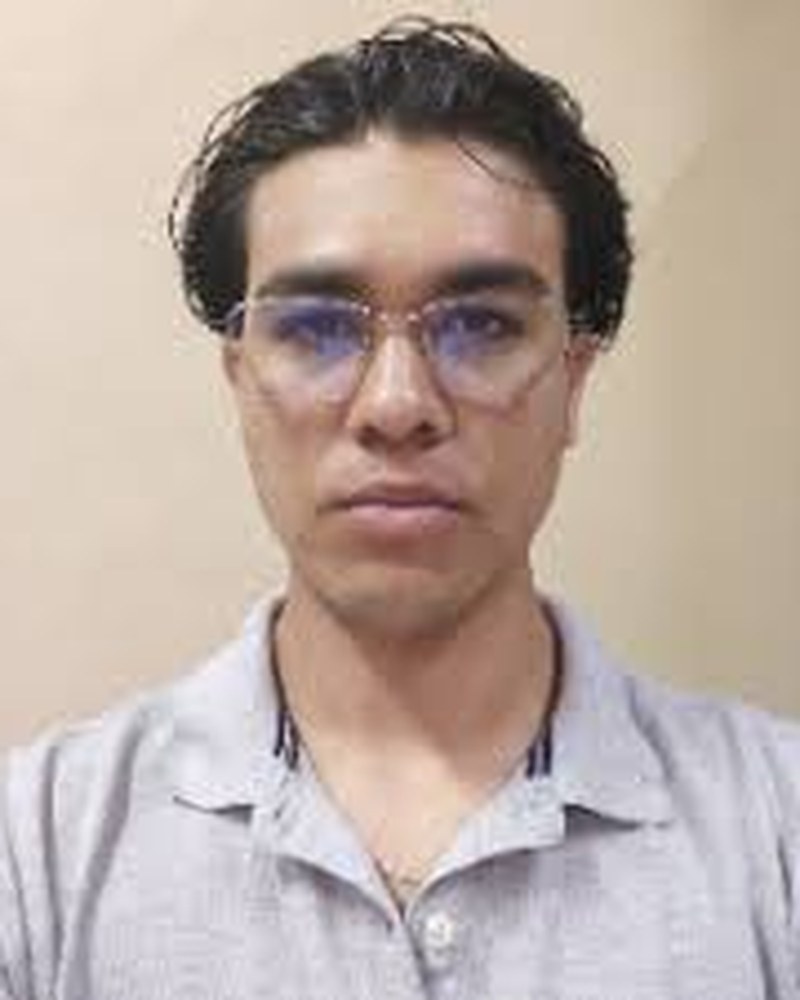
Arturo Salazar Chon
A fundamental challenge in consciousness research is determining whether distinct observational modalities provide access to common organizational properties of the underlying biological system. Most contemporary approaches remain largely modality-dependent, despite measuring different physical observables, temporal scales, and biological processes. We present a developing multimodal reconstruction framework designed to compare organizational structure across heterogeneous human brain observation scales. The framework integrates electrophysiological, hemodynamic, metabolic, structural, invasive, and perturbational modalities, including EEG, MEG, iEEG/SEEG, fMRI, PET, DWI, and TMS-derived responses. The approach combines temporal invariants, recurrence quantification analysis, state-space reconstruction, persistent homology, topological descriptors, and multimodal embeddings to reconstruct organizational representations independently of the original measurement domain. Preliminary results obtained from PET-fMRI cohorts and EEG-fMRI-DWI-TMS datasets indicate that modality-specific signals remain distinct, while reconstructed organizational representations exhibit measurable subject-specific structure in effective dimensionality, recurrence organization, state-space geometry, and topological persistence. Furthermore, perturbational TMS responses appear to covary with independently reconstructed organizational features. These observations do not support any specific theory of consciousness. Rather, they suggest that convergence across modalities may emerge more clearly at the level of reconstructed organization than at the level of raw observables. The framework provides a potential empirical pathway for investigating candidate organizational invariants across multiple observational domains and scales of brain activity.
Arturo Salazar Chon is an undergraduate student and researcher at the Universidad Autónoma de Occidente who works on the analysis of multimodal brain data, state space reconstruction, topological methods, and organizational approaches for consciousness research. His current work focuses on integrating EEG, MEG, SEEG, fMRI, PET, DWI, and TMS data using computational and topological frameworks to investigate the intermodal organizational structure in human brain activity.