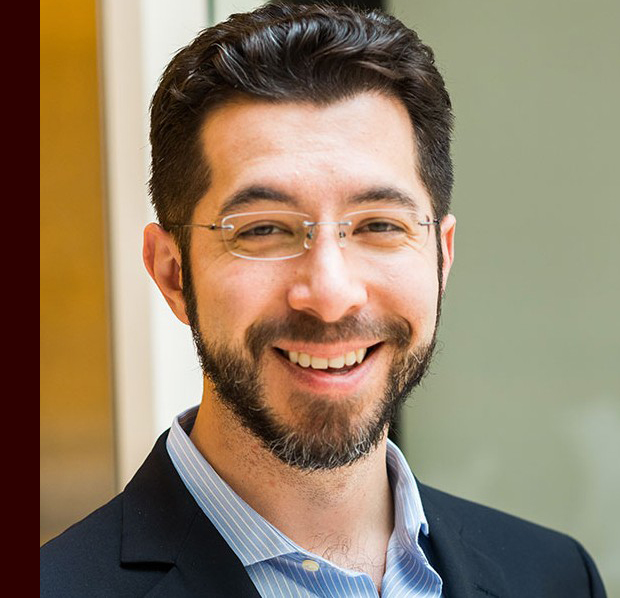
Edward Boyden
Scientists and philosophers have long confronted the mystery of consciousness. However, identifying substrates that causally mediate subjective experiences, and determining the mechanisms that govern their operation, remain difficult. Here I discuss how bioengineers might contribute to this quest, by creating tools for measuring, modeling, and manipulating such candidate substrates and mechanisms. Already, tools for measuring, modeling, and manipulating brain circuits and their components have begun to lay a technological foundation for such investigations. By focusing the skillsets of bioengineering on the study of consciousness, and candidate substrates and mechanisms, bioengineers might be able to accelerate progress in the field, enabling consciousness and consciousness-related substrates and mechanisms eventually to be measured, modeled, and manipulated. Such a toolbox, especially if used in an integrated fashion - for example, generating hypotheses via measurement and modeling, that are then tested through manipulation - might allow exploration of consciousness in systematic ways, especially if such tools are easy to use, precise, and robust.
Ed Boyden is the Y. Eva Tan Professor in Neurotechnology at MIT, co-founder of the nonprofit Mindspan Institute, and an investigator at the McGovern Institute for Brain Research and at the Yang Tan Collective at MIT. He develops tools for the analysis and repair of the brain, including optogenetic tools, expansion microscopy, and other technologies. He is a member of the US National Academy of Sciences and received the Breakthrough Prize in Life Sciences and the Canada Gairdner International Award, among other honors.