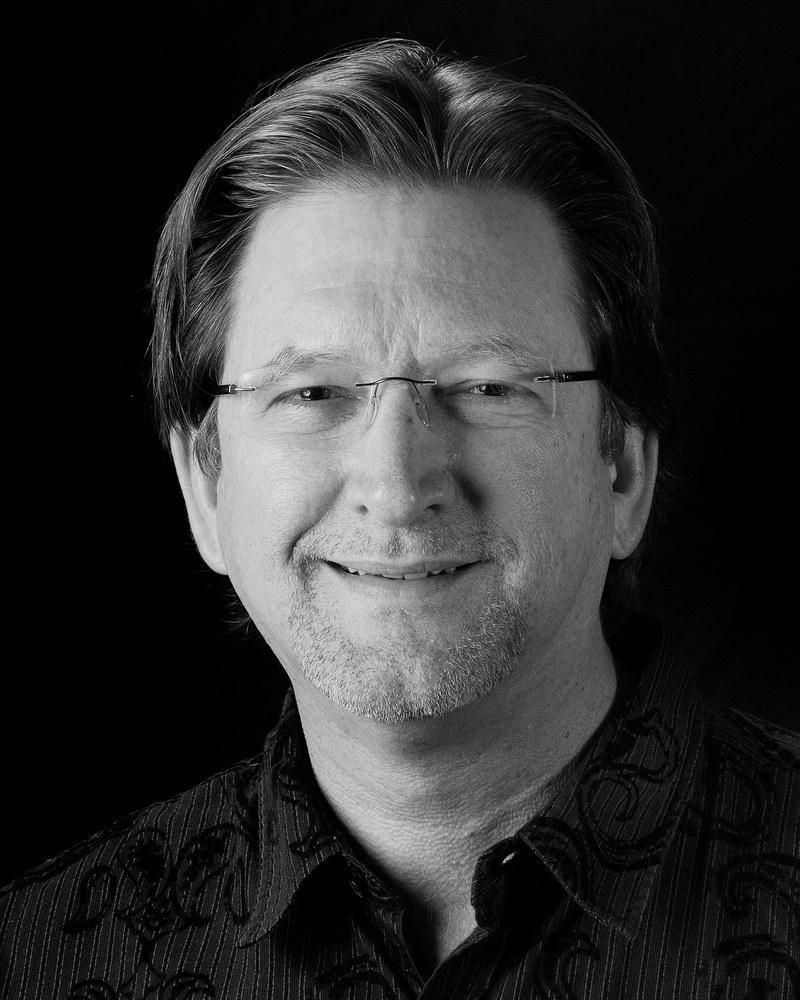
Edward Lantz
The Genomic Quantum Attunement Model (GQAM) proposes that living systems may interface with a deeper quantum informational domain through biologically instantiated boundary conditions encoded in the genome. Building on emerging findings in quantum biology and foundational physics, the model posits that quantum fields generate a high dimensional informational domain supporting a vast number of bounded computational processes in superposition, potentially corresponding to individuated conscious entities sharing a common substrate. GQAM suggests that DNA’s chiral and sequence specific electronic properties establish organism unique quantum boundary conditions, while RNA dynamics, mitochondrial energetics, and cytoskeletal coherence form a multiscale attunement network that amplifies and distributes informational structure throughout the body. Multiple coupling mechanisms are considered, including radical pair reactions, cytoskeletal vibrational coherence, mitochondrial electrodynamics, field sensitive ion channels, and chiral induced spin selectivity. The model identifies measurable signatures—organism level coherence patterns, spin selective responses in chiral biomolecules, and perturbation dependent shifts in mitochondrial and microtubule coherence—grounded in existing experimental literature on neural coherence, CISS, radical pair chemistry, cytoskeletal vibrational modes, and mitochondrial network dynamics. GQAM hypothesizes that convergent patterns across these signatures may indicate coupling between biological systems and a deeper quantum informational domain, while acknowledging that such coupling remains to be empirically demonstrated. If supported, these findings would position consciousness as an individuated expression of a shared quantum informational field, reframing mind, identity, and agency as emergent properties of a deeper computational architecture woven into nature. GQAM is presented as a visionary yet testable framework intended to stimulate interdisciplinary dialogue and guide future experimental work at the intersection of molecular biology, quantum theory, and consciousness studies.
Ed Lantz is an engineer, entrepreneur, and interdisciplinary researcher with over 30 years of experience pioneering immersive media and venue design to foster awe, mindfulness, and positive social impact. His current research explores quantum theories of consciousness and the cognitive effects of immersive experiences on human perception and well-being. Ed serves as Chair of the Board for both the Center for Conscious Creativity (c3) and Dome Fest West, North America’s leading immersive film festival. He is Head of Immersive Experiences for the Social Impact Entertainment Society and leads XR Venue Standards for the international standards body MPAI. A Life Member of IEEE, Ed is a former Board Delegate for the Producers Guild of America’s New Media Council and Chair Emeritus of LA ACM SIGGRAPH. He holds a master’s degree in electrical engineering with a concentration in quantum physics and electromagnetics, and continues advanced studies in quantum information science.