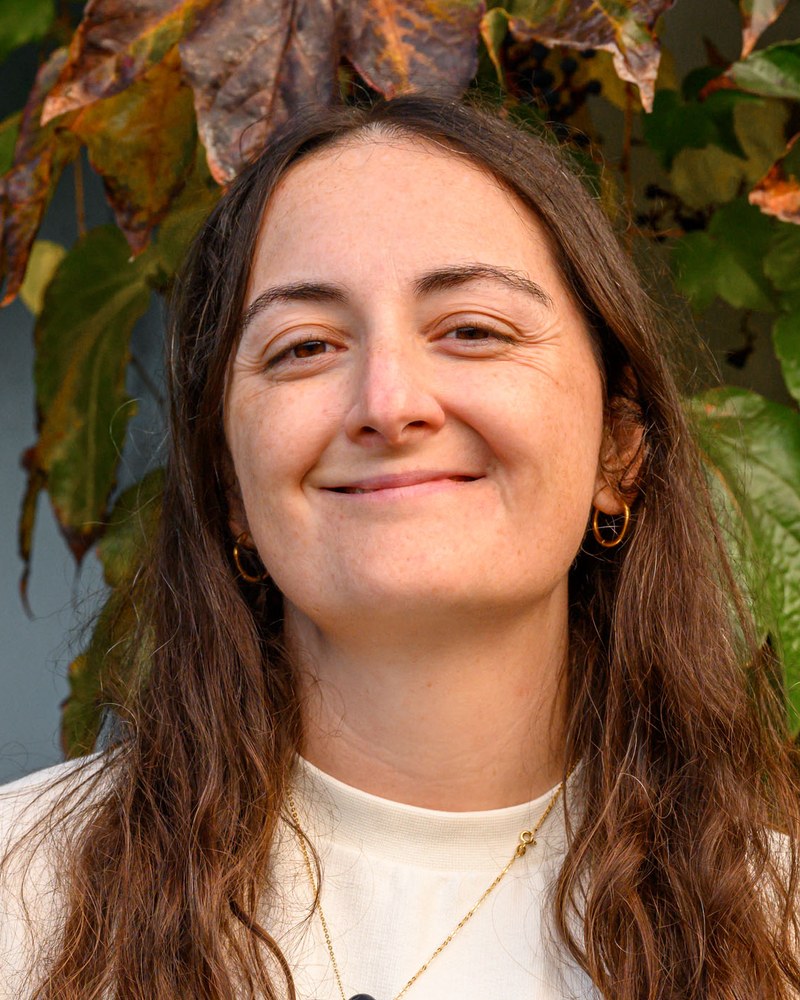
Ella Samut-Tagliaferro
This paper proposes a theoretical framework for consciousness research. Dominant computational and neurocognitive models - Integrated Information Theory (IIT), Global Neuronal Workspace Theory (GNWT), and predictive-processing approaches - have generated valuable constraints on neural and informational correlates of awareness, yet they remain comparatively underspecified regarding the lived, multimodal, and bodily character of human consciousness. Therefore this paper advances a human-centered hypothesis: that the human organism, as a sensing and self-organizing system, is the primary unit of inquiry, and that sensory modalities - exteroception, interoception, and proprioception - operate in concert with brain–mind dynamics as an active interface through which awareness engages and discloses experienced reality. The framework is grounded in phenomenology and enactivism (Varela, Thompson, Noë) and informed by embodied cognition. Perception is treated as participatory world-disclosure enacted through sensorimotor coupling rather than passive signal reception. Interoceptive and proprioceptive processes stabilize the self-model and modulate conscious presence, while exteroceptive channels organize the perceptual world into actionable meaning. Archaeological and anthropological perspectives further motivate this orientation: sensory attention and symbolic sense-making are evolutionary and historical achievements, rendering the human sensory interface a biologically and culturally structured target for direct scientific study. In dialogue with field-interaction perspectives (e.g., Syntergic Theory) and broader accounts that posit continuity between individual and collective awareness (including Morphic Resonance), this proposal remains embodiment-first in its test strategy: it locates modulations of consciousness in measurable sensory, affective, and cognitive dynamics at the organism–environment boundary, while leaving deeper ontological interpretations as hypotheses rather than conclusions. Three propositions structure the theory to be tested: (1) human consciousness is best investigated as lived embodiment; (2) the senses and brain together constitute the operational gateway of awareness; and (3) expanded awareness emerges through sensory integration and refinement, operationalized as increased attentional bandwidth and interoceptive granularity rather than metaphysical transcendence. Methodologically, the paper outlines a standardized complementary approach combining microphenomenology (structured elicitation of temporal and sensory structure of experience), guided sensory-awareness sessions derived from coaching and contemplative practice, and light cognitive-behavioural/physiological anchors (e.g., attention-variability measures, heart-rate variability, respiration indices). The next step is collaborative empirical testing: developing, preregistering, and validating a Sensory Interface Protocol across diverse populations and sites to assess reproducibility and to refine shared metrics. Accordingly, this conference presentation is intended as a call for collaborators. Researchers across neuroscience, psychology, cognitive science, contemplative studies, and related applied domains are invited to join in forming a multi-site team to evaluate these propositions, co-develop data standards, and test the framework’s predictions. If supported, the program offers a tractable bridge between first- and third-person approaches, extends embodied and enactive theories by specifying the sensory interface as a locus of conscious modulation, and enables evidence-based applications in coaching, contemplative training, education, leadership, organizational wellbeing, and integrative healthcare. Overall, this work proposes a testable human-centered science of consciousness in which embodied sensory dynamics are treated as primary windows onto how consciousness meets and shapes reality.
Ella is a Malta-based human consciousness coach and founder of Attune Yourself. With an academic background in archaeology, she integrates cognitive-behavioral therapy, phenomenology, and contemplative practice to investigate how the sensory interface and the mind mediate human awareness. Her current work develops a framework in which the sensory interface - exteroception, interoception, and proprioception - functions as the active bridge between human and universal consciousness. Methodologically, she employs microphenomenology and structured sensory-awareness sessions (coaching and mindfulness) to model how refinement of sensory-affective integration expands awareness. Ella’s aim is to develop operational, testable, and replicable protocols that integrate first- and third-person evidence without overclaiming ontology. She is developing international collaborations to validate these methods and to advance a human-centered science of consciousness rooted in coaching, contemplative practice, and experiential inquiry. Beyond personal development, her work suggests broader applications in education, leadership, organizational wellbeing, and integrative healthcare, where sensory-awareness training and first-person methodologies can inform new models of learning, resilience, and human potential.