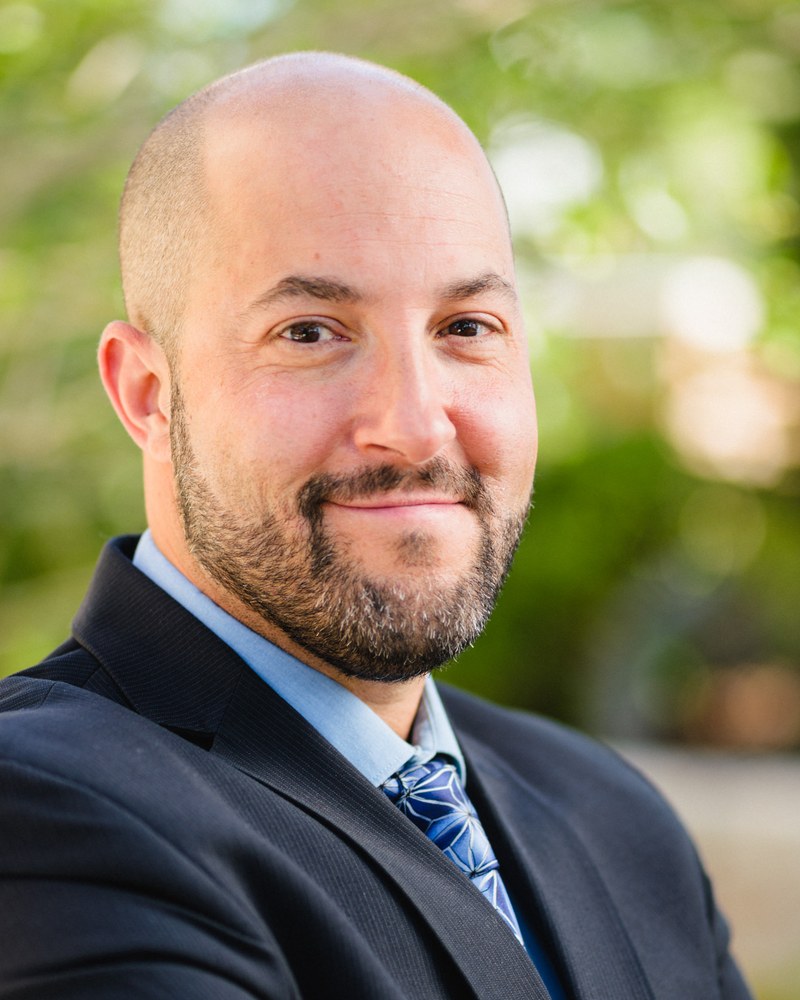
Eric Garland
Benjamin Lewis — University of Utah, Salt Lake City, UT, USA
In this plenary session, Dr. Eric Garland will explore how experiences of self-transcendence, moments in which ordinary self‑referential processing is eclipsed by ego dissolution, unity, and bliss, can reorganize the architecture of consciousness and reduce human suffering. Drawing on convergent evidence from randomized controlled trials of Mindfulness‑Oriented Recovery Enhancement (MORE), an evidence-based mind-body therapy with demonstrated efficacy in sixteen clinical trials, Dr. Garland will present data demonstrating that meditative experiences of nondual awareness mediate durable increases in trait mindfulness and reductions in pain and addictive behavior. MORE provides a translational framework for interrogating the neurophysiological and clinical signatures of self‑transcendence, integrating ancient contemplative insights with modern affective neuroscience. Building on this foundation, Dr. Garland will discuss how combining meditation with psychedelic‑induced self‑transcendent states can amplify these processes, accelerating the loosening of rigid self‑models and the suppression of default mode network activity to deepen mindful awareness, disrupt maladaptive habits, and relieve emotional anguish. Finally, he will explore interpersonal synchrony, the neurophysiological resonance between individuals, as driver of meditative state depth and a measurable correlate of self-transcendence. Together, these lines of inquiry support a state‑to‑trait model of contemplative development, in which momentary dissolution of ego boundaries reorganizes the default mode of consciousness toward presence, interconnectedness, and reduced suffering.
Eric Garland, PhD is Endowed Professor in Health Sciences at the T. Denny Sanford Institute for Empathy and Compassion, Professor in the Department of Psychiatry at University of California San Diego (UCSD), Director of UCSD ONEMIND (Optimized Neuroscience-Enhanced Mindfulness Intervention Design), and the Founder of MORE Science Institute. Dr. Garland is the developer of Mindfulness-Oriented Recovery Enhancement (MORE), an evidence-based, neuroscience-informed therapy for addiction, emotional distress, and chronic pain that has been hailed as one of the greatest breakthroughs in behavioral treatment in the past 30 years. He has over 290 scientific publications and has received more than $95 million in research grants from federal agencies including the National Institutes of Health (NIH) and the Department of Defense (DOD) to develop and test MORE and related therapies for addiction and chronic pain. In 2019, he was appointed by NIH Director Dr. Francis Collins to the NIH HEAL Multi-Disciplinary Working Group comprised of national experts on pain and addiction research to help guide the nation’s $2+ billion HEAL initiative to use science to halt the opioid crisis. Dr. Garland is also a licensed psychotherapist and Distinguished Fellow of the National Academies of Practice, with more than 20 years of clinical experience. In multiple bibliometric analyses of mindfulness research published over the past 55 years, Dr. Garland was found to be the most prolific author of mindfulness research in the world.