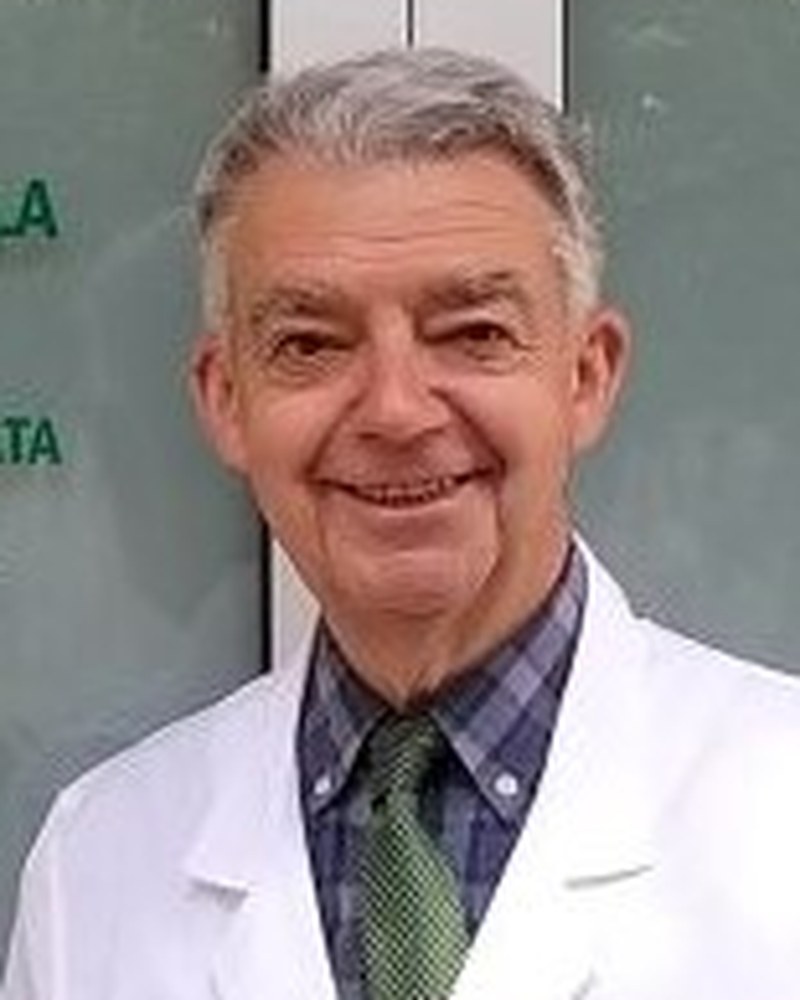
Flavio Burgarella
Over the last decades, the Orchestrated Objective Reduction (Orch-OR) theory proposed by Stuart Hameroff and Roger Penrose suggested that consciousness may emerge from coherent quantum processes mediated by neuronal microtubules in the brain. The Burgarella Quantum Consciousness Healing (BQCH) model proposes a cardiocentric extension of this hypothesis, introducing the concept that microtubules within neurons of the intrinsic cardiac nervous system may represent a primary neuroquantum interface between heart, consciousness, and informational field. Contemporary neurocardiology has demonstrated the existence of a complex Intrinsic Cardiac Nervous System (ICNS), often defined as the “little brain on the heart,” composed of intrinsic ganglia, interneurons, and neural networks distributed throughout atrial and ventricular regions. Within the BQCH framework, this system is reinterpreted as a Cardiac Transperceptive Neuronal Center capable not only of autonomic neurophysiological regulation but also of integrating consciousness-related information. According to this perspective, specific cardiac neurons characterized by highly organized microtubular architecture — termed Transperceptive Microtubular Neurons — may sustain coherent quantum states analogous to those hypothesized in cerebral Orch-OR models. However, the BQCH model introduces a fundamental distinction: the heart, as a quantum oscillator, is proposed as the primary source of embodied consciousness-related information, while the brain mainly acts as an amplifier and integrator that translates cardiac informational patterns into conscious subjective experience. Transperception is therefore defined as a cardiocentric neuroinformational process through which the heart decodes information arising from unconscious and superconscious levels of awareness and subsequently transmits it to the cardio-cerebral axis through vagal afferents, limbic structures, and insular cortical pathways. This hypothesis may open a new interdisciplinary paradigm, definable as Quantum Cardiosciences, in which heart, consciousness, and information are considered integrated aspects of a unified embodied neurophysical architecture.
Flavio Burgarella, MD is an Italian cardiologist and researcher in the Sciences of Consciousness, founder and president of the Fondazione Casina Briga for Research in the Sciences of Consciousness. After more than forty years in cardiac rehabilitation and neurocardiology-oriented clinical practice, he developed the Burgarella Quantum Consciousness Healing (BQCH) model, a cardiocentric framework exploring the relationship between heart, consciousness, quantum coherence, and embodied information. His current research focuses on the intrinsic cardiac nervous system, heart-brain interactions, transperception, and the possible role of cardiac microtubules in consciousness processes. He is the author of several books on cardiocentric consciousness studies, including The Heart: Fractal Node of the Cardioconscious Network in the Holographic Universe.