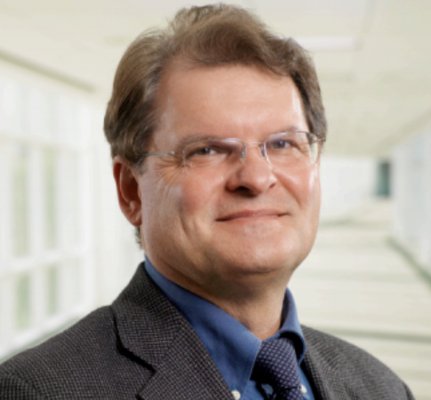
Jack Tuszynski
The Orch OR theory suggests consciousness depends on quantum processes in microtubules inside brain neurons. Here, we describe two sets of never-before-performed crucial experiments designed to demonstrate quantum processes in microtubules, and to test their sensitivity to anesthetic molecules. Since anesthesia is the most direct observable effect on consciousness, experimental evidence for comparable effects on quantum processes in microtubules would support the major tenet of Orch OR. Towards this end, two sets of independent experiments were conducted at demonstrating the existence of long-range and long-lived collective quantum states in microtubules, and investigate how the presence of anesthetic molecules may influence these states. The first set of experiments used lasers generating UV photons, which induced electronic excitations in microtubules showing that spatially-delocalized quantum states exist in these systems. Partial quenching of these excited states of Tryptophan residues in tubulin and microtubules by anesthetics was also shown. These experiments demonstrate the presence of quantum collective states in tubulin and microtubules with characteristic lifetimes on the order of several nanoseconds and the size of the coherence domain on the order of several nanometers. The second set of experiments investigated delayed luminescence in tubulin and microtubules exposed to laser light in the visible range. Delayed luminescence experiments reported here show the existence of long-lived quantum states in tubulin and microtubules on the order of seconds with microtubules supporting several times longer-lived states than individual tubulin molecules. The effects of one anesthetic molecule (etomidate) indicate some shortening of the excitation lifetime, but more research needs to be done to statistically validate the data. Additionally, we have observed the importance of the ionic environment of microtubules and, through computer simulations, predicted a major influence of water molecule organization on the life times and distance correlations of quantum excitations propagating along microtubules. Earlier computer simulations found the binding sites of anesthetics in tubulin corroborating the presence of interactions of microtubules with anesthetics. Taken together, these results indicate the presence of quantum effects in microtubules with important effects of tubulin organization and the composition of its environment. The consequences of these finding on the future of neuroscience cannot be overstated.
Professor Jack Tuszyński obtained his Ph.D. in condensed matter physics in 1983 from the University of Calgary, Canada. From 1983 to 1988 he was a faculty member at the Department of Physics of the Memorial University of Newfoundland. He moved to the University of Alberta in 1988 since 1993 has been full professor at the Department of Physics. Between 2005 and 2020 he held the prestigious Allard Chair in Experimental Oncology at the Cross Cancer Institute. He served as a Fellow of the National Institute for Nanotechnology of Canada and held visiting professorship and research positions in China, Germany, France, Israel, Denmark, Belgium and Switzerland. He has been professor of bioengineering at the Polytechnic University of Turin, Italy since 2017. He has published over 600 journal papers, and 12 books. He obtained 7 patents in the USA, Canada, EU, South Korea, Brazil, Japan and Singapore. He received over 100 research grants from Canadian, US and European funding agencies. He is on the editorial board of 30 international journals. He was a founding member of 3 spin-off companies. His research interests are strongly linked to the protein tubulin and the microtubules assembled from it. Studies performed in group have examined microtubule electrical, electromagnetic, structural, and mechanical properties; as well as interactions with proteins that bind to microtubules (MAPs); and the motor proteins in cells that travel along microtubules and actin filaments. More recently, he has focused his research efforts on the fundamental issues related to the role of quantum and electromagnetic effects on living systems and their higher functions including memory formation and consciousness.