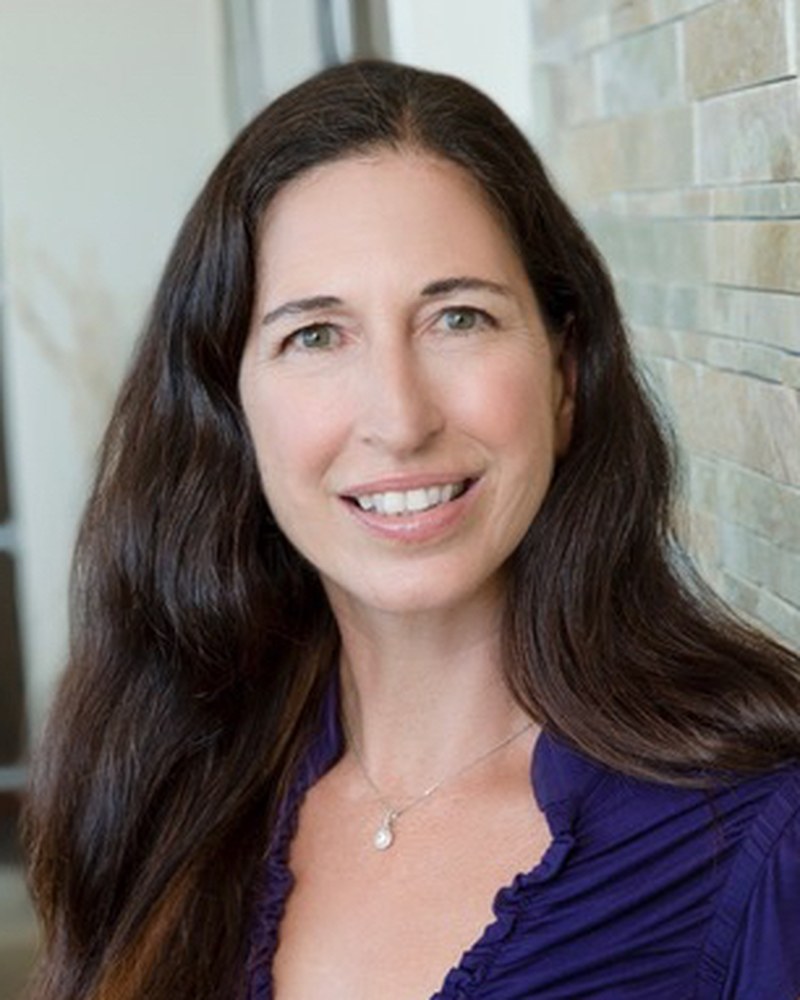
Laleh Quinn
Mark Ireland — Helping Parents Heal, Phoenix, AZ, USA
The empirical study of anomalous information acquisition by psychics, sensitives, and mediums dates to the late nineteenth century. A central question in this tradition is whether some individuals can provide accurate, specific information associated with deceased persons under conditions that appear to exclude ordinary sensory, inferential, or informational pathways. Although prior blinded mediumship studies have reported promising results, the field continues to face methodological challenges, including information leakage, rater bias, subjective validation, and adequate control materials. This pilot project evaluates a new AI assisted method for studying this widely reported human phenomenon under conditions where ordinary information transfer is highly controlled. In this design, mediums produce readings without contact with sitters and without access to ordinary identifying information. Statements from the mediums’ readings are transcribed and extracted, then paired with synthetic foil statements generated by artificial intelligence to be similar in tone, specificity, and emotional structure. Sitters receive all statements blind to source, (medium or AI), and independently score each item as correct, incorrect, or not sure. Thus the project assesses whether such information can be produced, extracted, controlled, and evaluated within a reproducible research pipeline, with human interference removed. The scoring method provides for stringent quantitative analyses of the results. Immediately post scoring the sitter has a standard mediumship reading over Zoom provided by the medium. The distinctive features of this approach is that AI is used within a research design that is both experimentally controlled and ethically responsive to the sitter experience. The initial scoring phase separates evidential assessment from personal interaction, while the later live Zoom reading allows the sitter to receive the reading in a more complete and relational context after the blinded task is finished. This design preserves experimental control while acknowledging that mediumistic readings are not merely collections of isolated statements, but meaningful human encounters. It also generates rich qualitative data from the original transcript, allowing researchers to examine not only accuracy scores, but also patterns of meaning, interpretation, emotional resonance, and sitter response. Early pilot results indicate that some mediums significantly outperform the AI generated controls. These preliminary findings are not presented as evidence for any particular interpretation of the phenomenon, but as support for studying anomalous information acquisition under more rigorous and transparent conditions. More broadly, the project explores whether contemporary artificial intelligence can serve as a methodological instrument in consciousness research by providing sharper experimental conditions and more auditable scoring procedures. The resulting approach offers a scalable paradigm for future studies of mediumship and anomalous communication.
Dr. Laleh Quinn obtained her Ph.D in Philosophy of Mind and Cognitive Science from the University of Arizona. While there she also was accepted into the Cognitive Neuroscience program and worked in the lab of Drs. Bruce Mcnaughton and Carol Barnes where she was trained in neuroscience and electrophysiological recordings in awake behaving animals. She was awarded a postdoctoral fellowship at the Institute of Neural Computation at UCSD and subsequently became research faculty in the department of Cognitive Science at UCSD where she worked in behavioral neuroscience for 20 years. Her focus was on discovering the neural underpinnings of learning, memory, attention, empathy and compassion through obtaining recordings of single neurons and local field potentials in awake behaving rats. She was awarded several Kavli innovative grants, several NSF grants including a BRAIN Initiative grant, and a faculty fellowship at the Temporal Dynamics of Learning Center at UCSD.
Dr. Quinn now is a Research Fellow at the Future of Inquiry where she experimentally studies anomalous communication under highly controlled experimental conditions. She is also a professional author exploring themes having to do with expanding our understanding of the nature of reality. Her essays have been published by the Essentia Foundation, Feed your Head (formerly Beyond Belief), and the Paradigm Explorer (the journal of the Galileo Commission).