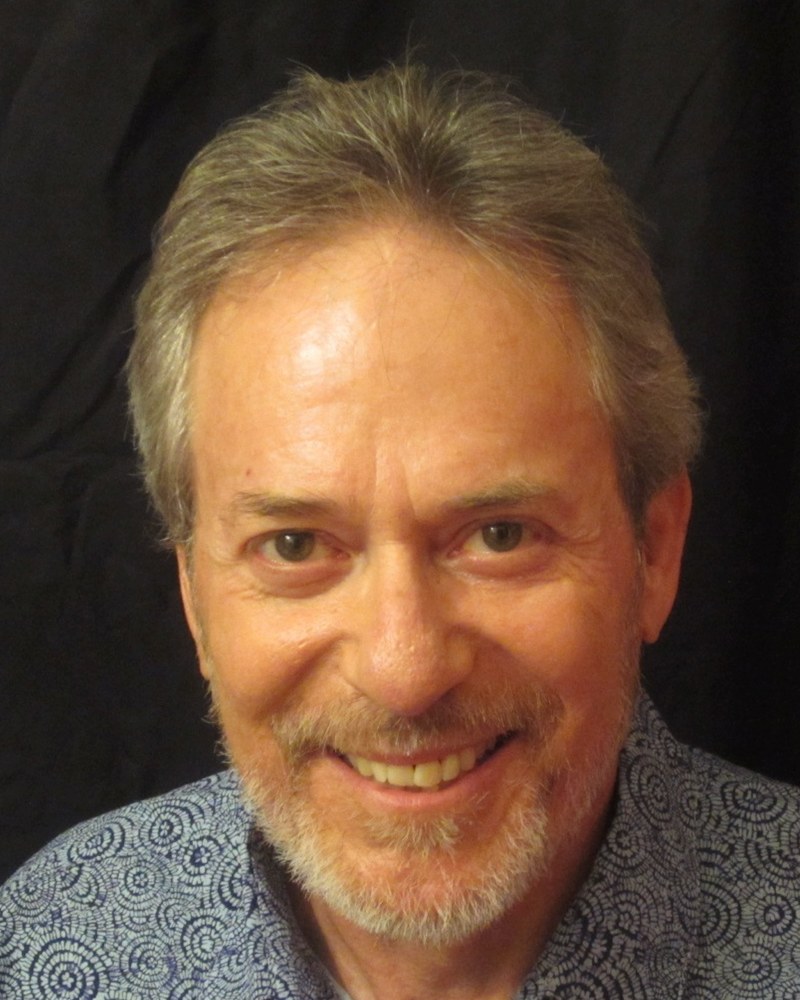
Mark Friedman
Evolutionary theory teaches that all modern biological functions have precursor forms. A growing scientific consensus holds that consciousness is a biological function and therefore a product of evolution. To understand human consciousness, we must first understand its precursor forms. What biological function, present throughout evolutionary history, could have become consciousness? One answer is "choice-making." All life forms make choices. The first function of all life is the acquisition of nutrients necessary for survival and reproduction. The earliest choices by single cell ancestors were about selective ingestion of contacted substances. Following the line of animal evolution, choices about movement enabled greater contact with nutrients. The animal capacity for directed movement, established by 600 mya, required a centralized function to mediate choice of direction. The modern self is descended from this function. Animal food acquisition strategies became increasingly complex. Predation increased choice-making complexity for both predators and prey. Ancestral mammals began to cohere in social groups as early as 65 mya, requiring choices about social competition for food and mating. Sexual selection and choices associated with tool use and language may be largely responsible for the level of choice-making complexity in early hominids and humans. The human brain can be viewed as a choice-making organ. All brain functions are either choice-making (central selection from available options) or choice-making support (senses, memory, emotion, imagination). Choice-making exists along a continuum from fully automated choices (instinct and reflex) to semi-automated choices (including learned choices) to centralized “open” choices (including how to move, what to say, what to believe). The sheer complexity of human choice-making supports arguments for free will. And centralized choice-making produces feelings commonly associated with consciousness including agency and self-awareness. From this history and analysis we can conclude that consciousness is not caused by choice-making, but rather consciousness is choice-making. Scalable versions of choice-making consciousness exist throughout the animal kingdom. The full version of this theory can be found in the book, “The Origin of Consciousness: The natural selection of choice-making systems.” (2012, 2014)
Mark Friedman has a track record of finding interesting solutions to old problems. His innovative theories of social change, presented in the book Trying Hard Is Not Good Enough (over 80,000 copies sold) are used by government and nonprofit organizations around the world.