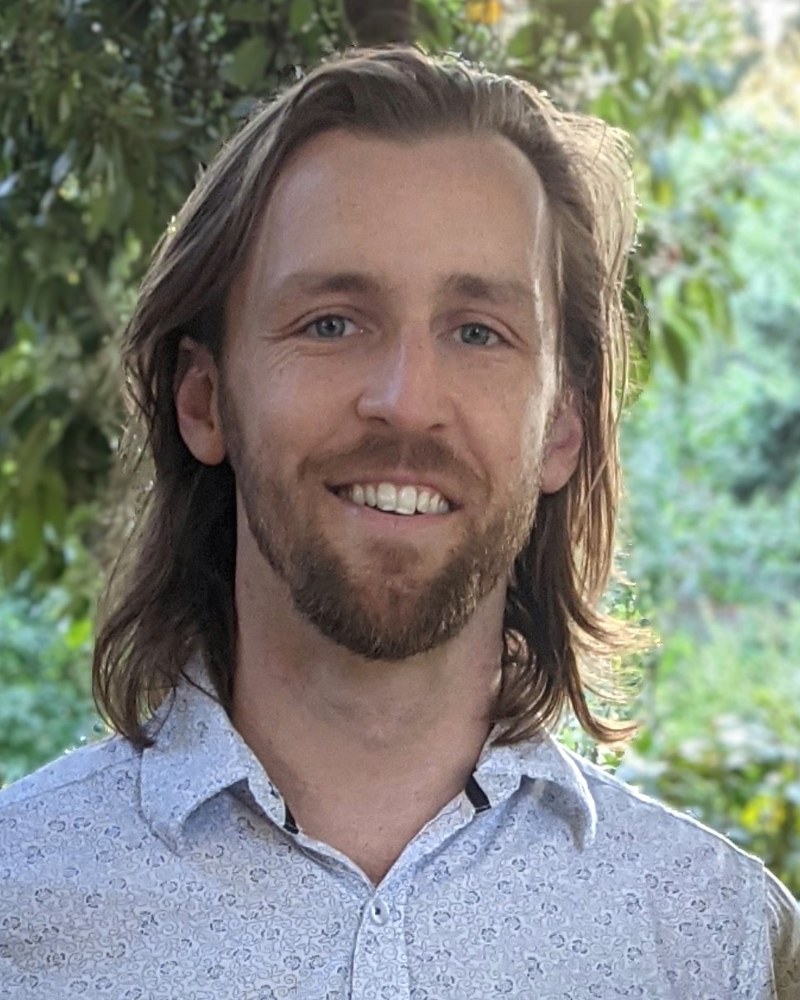
Matthew Hicks
The dominant Western paradigm of physical materialism, which posits that matter is fundamental and consciousness is an emergent brain function, faces an enduring challenge: David Chalmers' "Hard Problem." This presentation, outlining the historical trajectory of Western metaphysics, argues that this explanatory gap is not a scientific failure, but the predictable consequence of a specific paradigm that has periodically eclipsed a more intuitive, mind-first worldview. We trace the major swings of Western metaphysics, beginning with the inferred animistic or shamanic sensibilities of pre-historical societies, evidenced by cave art and ancient mythologies, which suggest an early recognition of non-physical realms and altered states of consciousness. This "mind-in-nature" perspective gave way to the rational inquiries of the ancient Greeks, culminating in Plato’s seminal articulation of Idealism. Following the influence of the Abrahamic traditions and the subsequent Protestant Reformation, the focus on the individual and skepticism of establishment dogma paradoxically paved the way for the secular and highly successful mechanistic worldview of the Enlightenment. The triumph of Atomism and empirical science solidified Materialism, re-framing mental phenomena as strictly secondary effects of physical processes. This lecture outlines how the current stalemate in consciousness studies—the difficulty of crossing the explanatory gap—is a direct, unavoidable result of the 19th-century materialist assumption. By examining this historical context, we then pivot to the modern proposal of Analytical Idealism, as espoused by Bernardo Kastrup. Analytical idealism offers a robust, non-physicalist model wherein consciousness is fundamental and universal, and the physical world is understood as an appearance within that universal consciousness. Understanding the historical oscillation between idealist and materialist assumptions reveals that Analytical Idealism is not a radical departure, but a return to an ancient, often forgotten, yet logically coherent and empirically consistent framework that finally resolves the Hard Problem. Furthermore, this idealist framework demonstrates profound cross-cultural compatibility, particularly with core tenets of Buddhist cosmology, which similarly views the empirical world as an illusory appearance arising from consciousness, such as the concept of the Three Kayas or the principle of emptiness. This presentation provides the necessary historical context to fully appreciate the "Ideal Revolution."
Dr. Matthew Hicks holds a doctorate in naturopathic medicine and a master of science in clinical research from the National University of Natural Medicine and a certificate in psychedelic-assisted therapy and research from the California Institute of Integral Studies. He is the founder and president of Synaptic Institute, a non-profit ketamine-assisted therapy clinic and entheogenic medicine training program. He has many peer-reviewed research publications, he is a frequent speaker at conferences, public events, and CME courses and serves as the chair of the governor-appointed Oregon Psilocybin Advisory Board. He is also a member of the Association for the Advancement of Post-materialist Science.