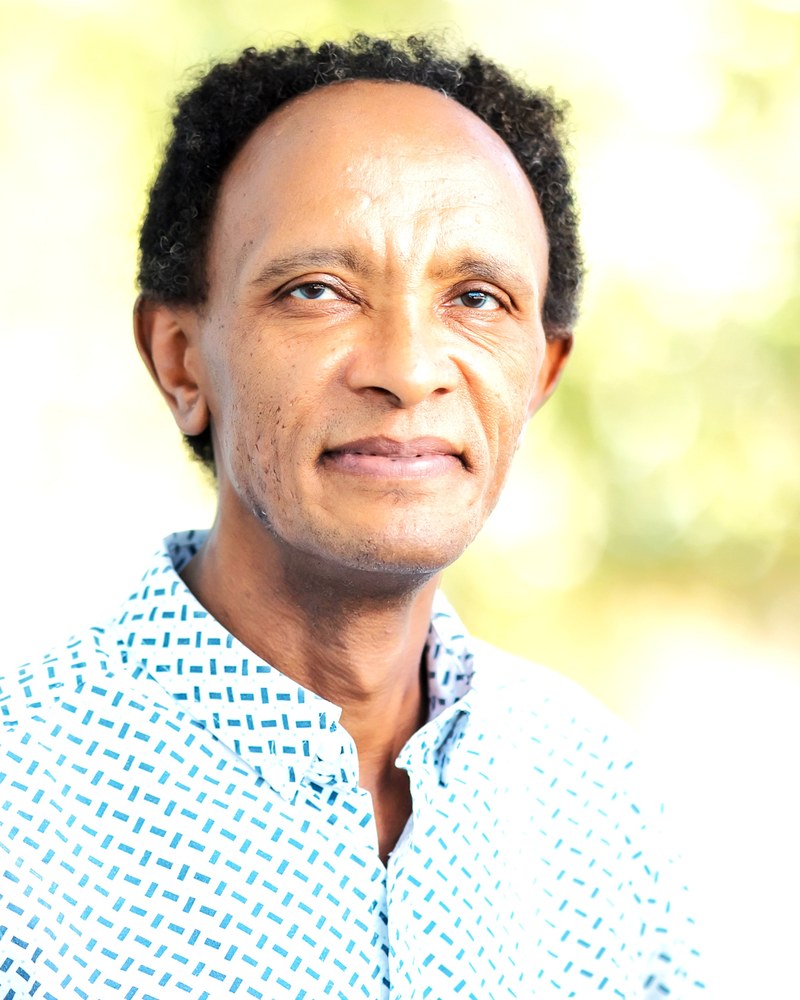
Mihretu Guta
This paper seeks to examine if the human brain organoids hold any promise in providing us with a solution to tackle the hard problem of consciousness (Chalmers 1996, 2010). Looking at the vast body of scientific literature on human brain organoids, it is not difficult to demonstrate that metaphysical and epistemological questions that underlie the nature of consciousness are often sidelined or ignored (Cheshire and Guta, 2026). For example, what is consciousness? What is the origin of consciousness? How is consciousness connected to the nervous system? Is consciousness identical to the brain? (Guta, 2019; McGinn 1999). Tackling these sorts of questions requires approaching the hard problem of consciousness both from the non-empirical and the empirical standpoints. Recently a lot of emphasis has been given to human brain organoids. In this case, the hope is that if the sort of highly integrated and complex brain configuration is mimicked by lab grown cells (using stem cells), then progress into the hard problem of consciousness can be made. In this paper, I present a novel argument why a one-sided empirical approach with respect to tackling the hard problem of consciousness will not succeed. The hard problem of consciousness, which focuses on thoroughly subjective conscious experience(s) resists a purely empirical analysis. In this regard, I will examine some representative philosophical and scientific theories. I will then argue that even if we make some progress in our understanding of the nature of consciousness through empirical and non-empirical investigations, we still will have to face what I call the hardest problem of the origin of consciousness (Guta 2023). This is the problem that consists of the dual emergence of consciousness and its bearer. If the human brain organoids project ever comes to fruition, it inevitably faces the hardest problem of accounting for the emergence of consciousness and its bearer.