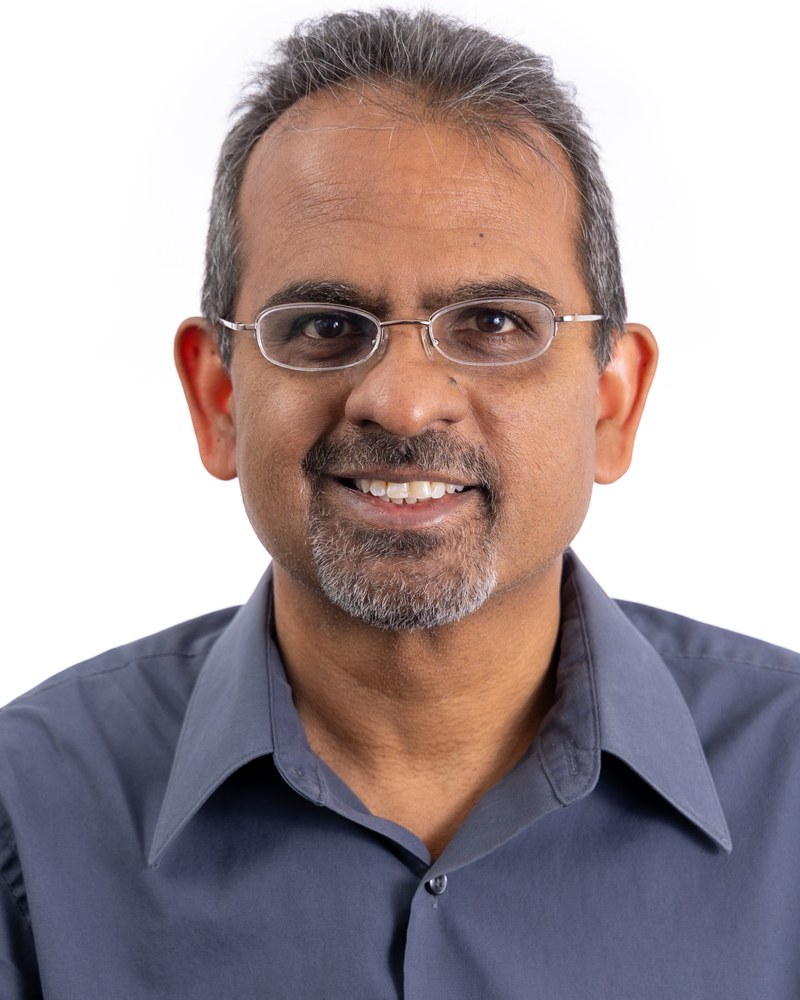
Rizwan Virk
The Simulation Hypothesis has been called “religion for atheists” by the religious communities and “pseudoscience for believers” by members the scientific community. Nevertheless, the idea of simulated conscious beings within simulated virtual realities raises interesting parallels between ensouled actors from religious traditions and technoscientific/materialist views of consciousness. This talk explores those parallels and shows how simulation theory can provide a new understanding of the idea of ensoulment from various religious traditions, as well as a new model for understanding free will vs. determinism. These parallels are explored along the axis of the RPG (role playing game) vs. NPC (non-player character) flavors of the simulation; these two ends of the axis are not mutually exclusive as both Chalmers and Virk have pointed out, but intermingle within mixed sims. This paper also shows how recording of simulated actions, as well as intentions and feelings with the sim can provide a way to replay consciousness and provide an interesting bridge between technoscience and religious ideas of choice, punishment, judgement, and karma across the scriptures of the world’s religion’s (including Islam, Christianity, Buddhism, Hinduism and Judaism).
Dr. Rizwan Virk is a computer scientist, entrepreneur, venture capitalist, bestselling author, indie film producer, futurist , professor and video game industry pioneer. He is a graduate of MIT and Stanford and recently earned his doctorate at Arizona State University’s College of Global Future. His interdisciplinary academic research, done at the Center for Science and the Imagination, has been on the role of technoscientific narratives (including science fiction) about the future of virtual reality and AI on innovation/entrepreneurship, religion, and the future of society. He also teaches at the Fulton Schools of Engineering, and is part of the Future of Being Human Initiative at ASU.