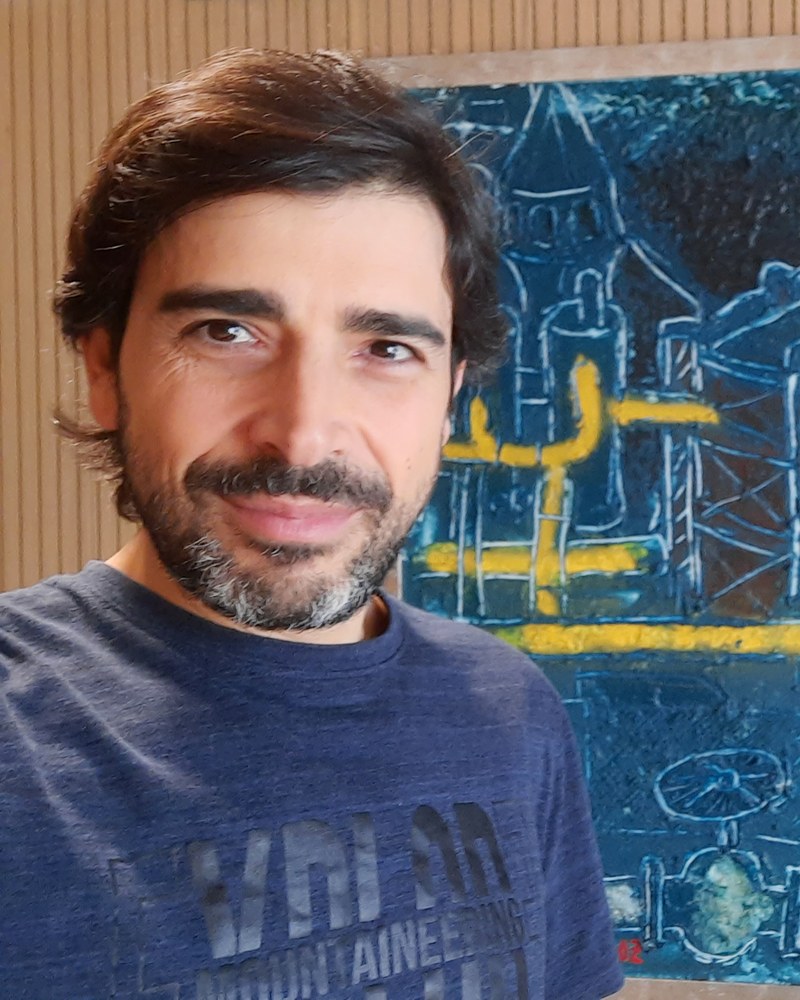
Rober Bragado Campano
Contemporary mindfulness interventions for Attention-Deficit/Hyperactivity Disorder (ADHD) have primarily focused on individual attentional training and symptom management. While such approaches have demonstrated benefits in self-regulation and executive functioning, they often overlook the embodied, relational, and environmental dimensions through which conscious awareness develops in everyday life. This paper proposes an ecological and enactive framework in which mindfulness is understood not as an isolated cognitive skill but as a process of embodied sense-making emerging through action, relationships, and participation in meaningful contexts. The project aims to explore how conscious self-regulation can be fostered in neurodiverse children through the integration of mindfulness, compassion, positive psychology, family engagement, healthy habits, and structured physical activity. Particular emphasis is placed on sport as a natural laboratory for the development of embodied awareness, attentional flexibility, emotional regulation, and adaptive decision-making in real-world situations. Within this framework, children do not merely learn to attend to experience; they learn to regulate themselves through interaction with others and through purposeful engagement with their environment. A ten-session experiential psychoeducational program has been designed for children aged 7–12 and their caregivers. The intervention combines age-adapted mindfulness practices, compassion training, strengths-based activities, executive function exercises, and education on sleep, nutrition, and physical activity. A participatory action-research methodology with mixed methods is proposed, including pre-post measures, interviews, observational records, and participant productions. The program is intended as a complementary and non-clinical intervention that supports development across home, school, and community settings. From an enactive perspective, sport occupies a central role within the model. Rather than being considered merely a health-promoting activity, sport functions as an embodied context in which awareness, action, and social interaction continuously co-emerge. Through gameplay, cooperation, challenge, and movement, children practice attentional control, emotional adaptation, self-monitoring, and interpersonal coordination in ways that are difficult to reproduce in traditional classroom-based interventions. Expected outcomes include improvements in self-regulation, executive functioning, family engagement, emotional wellbeing, and social participation. More broadly, the project contributes to consciousness research by examining how mindful awareness may be cultivated through embodied action and relational engagement rather than exclusively through introspective practice. The proposed framework offers a novel perspective on the development of consciousness and self-regulation in neurodiverse populations, positioning sport as a key ecological setting for the enactment of awareness, agency, and inclusion.
Roberto Bragado Campano is a mindfulness teacher, educator, and researcher currently completing a Master's Degree in Mindfulness at the University of Zaragoza under the supervision of Professor Javier García Campayo. He holds a Pedagogical Teaching Qualification from Universitat Rovira i Virgili and is certified in Compassion-Based Interventions and Deconstructive Meditations. He recently presented his work at the International Mindfulness Conference in Zaragoza. His research focuses on mindfulness, embodied cognition, neurodiversity, sport, and family-based interventions, with particular interest in the development of self-regulation, wellbeing, and social inclusion through ecological and enactive approaches