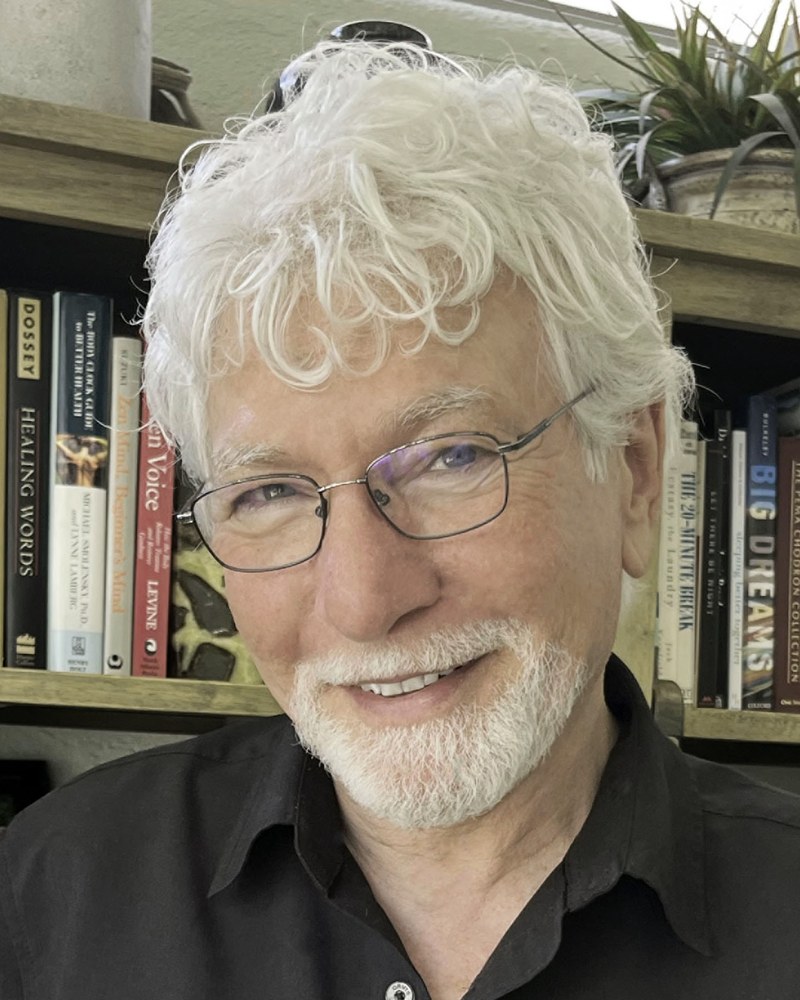
Rubin Naiman
Cognitive behavior therapy (CBT) has been extensively investigated and deemed effective for a range of psychiatric disorders. Today, CBT is the most common form of psychotherapy practiced in the United States, Canada, the United Kingdom, and other parts of the world. Despite its popularity, there is growing controversy about its empirical support, evidence of its declining effectiveness, and ongoing concerns about its limited scope and mechanistic style. Specialized forms of CBT such as cognitive behavior therapy for insomnia are facing similar challenges. The term ‘cognitive’ in CBT refers to the mental process of thinking and how it relates to belief, emotion and behavior. Germane as it may be, its scope is much too constricted to accommodate the full breadth of human experience. As an alternative, consciousness behavior therapy would expand CBT’s purview to include experiences such as awareness, metacognition, perception, imagination, fantasy, precognition, intuition, sensation, dreaming, daydreaming, awe, stillness, inner peace, ineffability, grogginess, ecstasy and even sleep. Mental health professional as well as public interest in consciousness has been growing in recent years. Research and practices around mindfulness meditation, psychedelic psychotherapy, social neuroscience and clinical dreamwork, for example, have gradually been redefining the scope of psychotherapy. This presentation proposes expanding the purview of CBT to consciousness behavior therapy which would include practices that draw from a broad range of perspectives including philosophical counseling, William James’ stream of consciousness, Rumi’s theology, Jungian/archetypal psychology, post-materialist sciences, Hindu and Buddhist teachings, embodied cognition, and anthroposophical medicine. Consistent with Andrew Weil’s observation that the humans have an innate need to expand consciousness, evolving principles and practices of consciousness behavior therapy could significantly enhance the basic framework of all psychotherapy.
Rubin Naiman, PhD, FAASM, is a psychologist, Fellow in the American Academy of Sleep Medicine, clinical assistant professor of medicine and, for the past 28 years, has served as the sleep and dream specialist at the University of Arizona’s Andrew Weil Center for Integrative Medicine. He has led the development of integrative medicine approaches to sleep and dream disorders, integrating sleep science with depth psychological and spiritual perspectives. Dr. Naiman is the author of groundbreaking works on sleep, including Healing Night, The Yoga of Sleep, Hush, and pivotal medical book chapters as well as scientific and consumer articles on sleep and dreams.