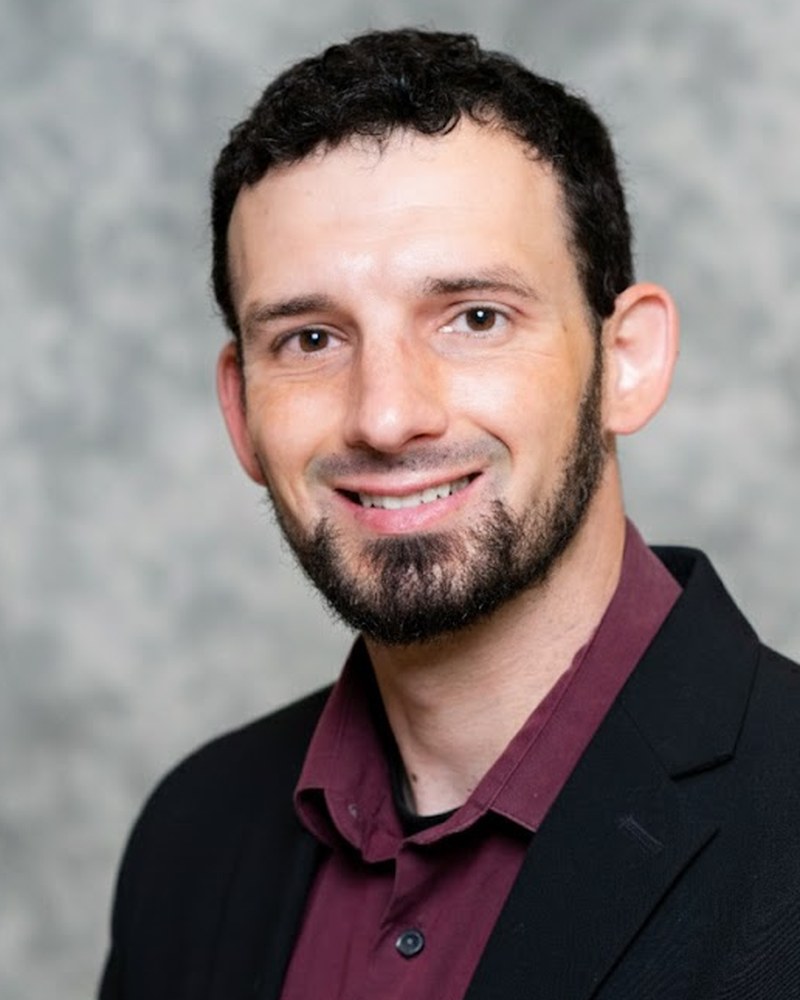
Ryan Hulla
Jessie Brauer — Texas Woman's University, Denton, Texas, USA
Purpose: The purpose of this study is to comprehensively examine the psychological traits and lifestyle behaviors that influence spiritual awareness, and to explore possible spiritual development profiles. Understanding these influences provides insight into how psychological and behavioral factors contribute to spiritual awareness, with implications for well-being, personal growth, and biopsychosocial-spiritual health. Prior research has primarily focused on Big Five personality dimensions, demographics, and mental health indicators (e.g., stress, depression, anxiety, resilience, prosocial behavior) in relation to the Spiritual Intelligence Self-Report Inventory (SISRI). Preliminary analyses from a pilot sample of 348 participants identified four spiritual development profiles from cluster analyses of SISRI subdomain scores, which included: Spiritually Unfamiliar, Meaning-Driven Spiritual Emergence, Immersive Spiritual Emergence, and Spiritually Integrated. These profiles appeared to organize within an integrative dual-pathway model of spiritual development. Further, preliminary analyses found the majority of the biopsychosocial-spiritual factors significantly associated with spiritual awareness. The present study is seeking to validate and extend these results in an expanded sample, growing the work in the overall field by simultaneously examining established predictors alongside several additional psychological and lifestyle constructs, including growth from trauma, absorption, delayed gratification, emotional intelligence, connection to nature and humanity, spiritual practice, exercise habits, open-minded thinking, introspectiveness, impulsivity, loneliness, need to belong, locus of control, meditation persistence, frequency of psychedelic use, and health consciousness, and by testing whether the four profiles remain stable in an extended sample. Methods: Pilot data from 348 valid participants (passed attention checks) were collected from convenience sampling via social media, email, word of mouth, QR code postings, and the Texas Woman's University SONA system. The extended sample of an estimated 200 valid participants will be recruited through paid Prolific services and continued convenience sampling methods. The SISRI assessed overall spiritual awareness and its four subdomains: critical existential thinking, personal meaning production, transcendental awareness, and conscious state expansion. Forty-five variables were collected via 28 validated scales to assess personality, emotional, self-reflective, self-regulatory, social, relational, and lifestyle factors. Analyses will examine predictive relationships between these variables and SISRI scores, controlling for social desirability, age, and sex. Cluster analyses will examine whether the four spiritual development profiles from our preliminary findings remain stable in this expanded sample, and whether profiles differ across the psychological and lifestyle predictors. Predicted Results: Consistent with our pilot findings, we expect spiritual awareness and its four subdomains to be significantly predicted by personality, emotional, reflective, regulatory, social, relational, and lifestyle factors in the expanded sample, after controlling for demographic and social desirability effects. We further expect the four previously identified spiritual development profiles to remain stable in the expanded sample, with significant differences in biopsychosocial-spiritual factors across profiles. Conclusion: Identifying the biopsychosocial-spiritual predictors of spiritual awareness, and establishing a stable typology of spiritual development, will help illuminate the pathways by which individuals develop meaning, purpose, and personal growth, key components of biopsychosocial-spiritual well-being. Findings may inform future research on interventions and practices that cultivate spiritual awareness, promote adaptive coping, and support individuals navigating spiritual struggles, such as traumatic life experiences.
Dr. Ryan Hulla holds a PhD in Experimental Psychology with an emphasis in health and neuroscience from the University of Texas at Arlington, with advanced training in research design and statistical analysis. He currently serves as a Biostatistician II at Texas Woman’s University–Dallas and as Adjunct Faculty in the School of Education at Texas Woman’s University, where he teaches quantitative research methods to PhD students. His research expertise spans quantitative, qualitative, and mixed-methods approaches in health and social sciences, with a growing focus on integrating humanistic and transpersonal psychology into models of health and well-being. He is currently investigating how traits, behaviors, and transpersonal capacities influence biopsychosocial-spiritual well-being.
Jessie Brauer holds a BS in Psychology from Texas Woman’s University and is currently a graduate student in the Department of Psychology at Texas Woman’s University. She also serves as Center Manager for the Center for Research, Design, and Analysis at Texas Woman’s University. Her research experience spans deceit and morality, with an emerging focus on humanistic and transpersonal psychology. Fueled by curiosity and driven by resilience, she has a deep passion for learning and for pursuing answers to complex questions. Her personal research interests include personality, spirituality, and human potential.