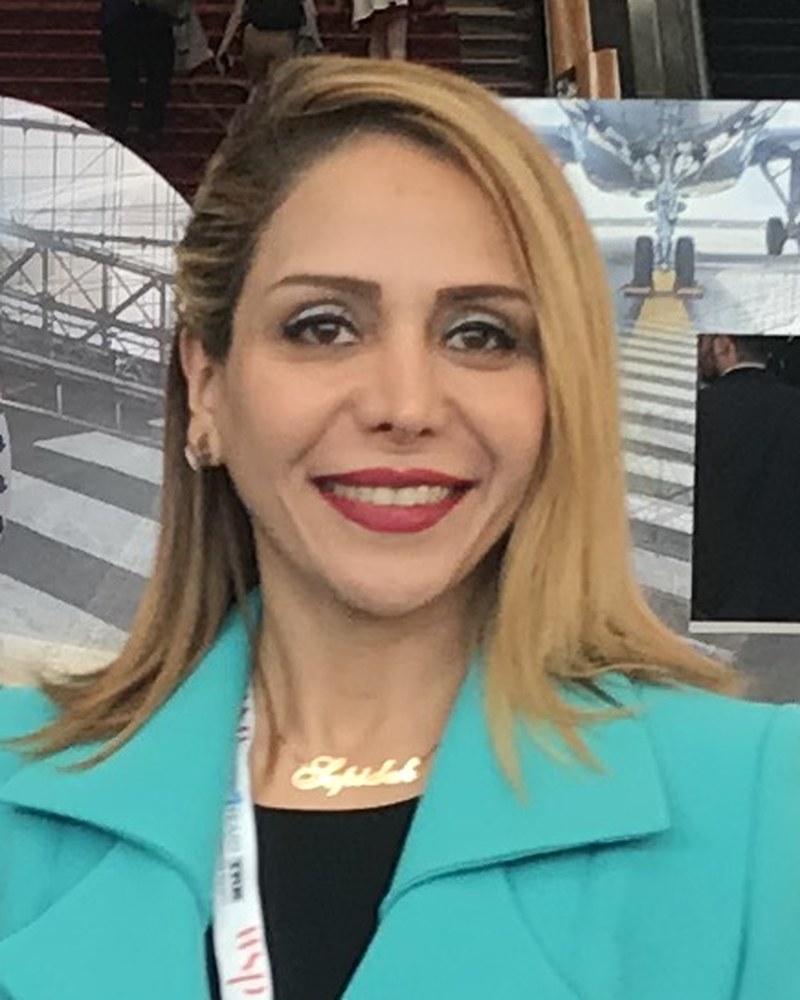
Sepideh Eshragh
Sina Mousavi — Cosmointel, Vaughan, Ontario, Canada
Farzad Ahmadkhanlou — University of California at Irvine, Irvine, CA, USA
Naghmeh Rezaie — University of Delaware, Newark, Delaware, USA
Mohammad Ali Taheri — Cosmointel, Vaughan, Ontario, Canada
Human safety remains a crucial concern in modern transportation. Although Artificial Intelligence (AI) and automation have introduced innovative safety systems, they are limited by system failures, cyber vulnerabilities, and user overreliance on technology. Human factors, including attention, decision-making, and behavioral performance, remain essential for achieving sustainable safety, particularly in high-risk or complex driving situations. This study presents a method based on T-Consciousness theory, known as T-Consciousness Fields (TCFs), as a novel and eco-friendly approach to enhancing driver attention and cognitive function. TCFs have the potential to activate internal cognitive skills, including focus and stress resilience. The primary objective is to determine whether TCFs can reduce distracted driving, enhance attentiveness, and improve overall safety outcomes. The study has been conducted under the approval of the University of Maryland Institutional Review Board (IRB). A research experiment has been conducted, dividing participants into a control group and a TCF group. Both groups completed the Attention Network Test (ANT) and Flanker Task online to evaluate their attentional performance. Our research indicates that TCFs can positively influence and regulate key attentional processes. A study utilizing the ANT revealed that participants exposed to TCFs demonstrated a statistically significant improvement in the alerting effect. This function is crucial for maintaining situational awareness and readiness to respond, particularly in safety-critical tasks such as driving. In the same test, the TCF group also showed slightly longer average reaction times, particularly in the no-cue condition. This finding, rather than indicating a deficit, suggests a beneficial shift away from "cognitive rushing" and toward more deliberate and less impulsive response patterns. Complementing these findings, a separate analysis of Flanker task data revealed a significant, structured effect related to cognitive load. The TCF group demonstrated significantly higher accuracy, an advantage that was concentrated among participants with the slowest reaction times. This performance benefit was most evident under conditions of high cognitive demand, specifically, during incongruent trials. Taken together, the findings from both studies support the hypothesis that TCFs strengthen internal cognitive performance. By enhancing alertness (ANT) and strengthening cognitive resilience under pressure (Flanker), TCFs represent a novel, non-technological intervention that mitigates disengagement and reduces risky behaviors associated with attentional lapses. This interdisciplinary approach bridges psychology, neuroscience, biology, and transportation science to position human consciousness at the center of future safety strategies, examining the interrelation between the mind, consciousness, and attention levels in driving. This paradigm reframes road safety not merely as a function of engineering or automation, but as a reflection of the collective cognitive landscape underlying mobility systems. Rather than viewing human consciousness as a weakness to be replaced by machines, this study emphasizes it as a critical safety asset to be understood, preserved, and actively supported.
Dr. Sepideh Eshragh is a Faculty Specialist at the University of Maryland’s Center for Advanced Transportation Technology (CATT). She has more than 18 years of extensive experience in traffic engineering and transportation planning across Delaware, Iowa, and Maryland. Her work supports the Maryland State Highway Administration through mobility performance analysis and arterial validation using Bluetooth and probe data. Previously, she was a Postdoctoral Research Associate at Iowa State University, working with the Iowa DOT on traffic monitoring, ITS data, and weather-related safety. She earned her Ph.D. in Civil Engineering from the University of Delaware, where she developed innovative roundabout design methods to facilitate evacuation. Her current research at the University of Maryland explores human-centered safety approaches, including the “Evaluation of Driver Attention Under the Influence of T-Consciousness Fields”, conducted with the approval of the University of Maryland Institutional Review Board (IRB). Part of this research was presented at the TRB 2024 Annual Meeting in Boston, MA, and later featured in the Access Management Best Practices session at the TRB 2025 Annual Meeting in Washington, D.C. Additionally, she has received numerous honors and awards in recognition of her contributions to the fields of transportation research and intelligent systems. She was the recipient of the Best Paper Award from the Transportation Research Board (TRB) Subcommittee on Travel Time, Speed, and Reliability at the 2017 TRB Annual Meeting in Washington, D.C., and another Best Paper Award at the 7th International Conference on Computing, Communications, and Control Technologies (CCCT 2009), organized by the International Institute of Informatics and Systemics (IIIS) in Orlando, Florida. She has been actively involved in several international conferences and events since 2009, contributing to the advancement of intelligent transportation and interdisciplinary research.