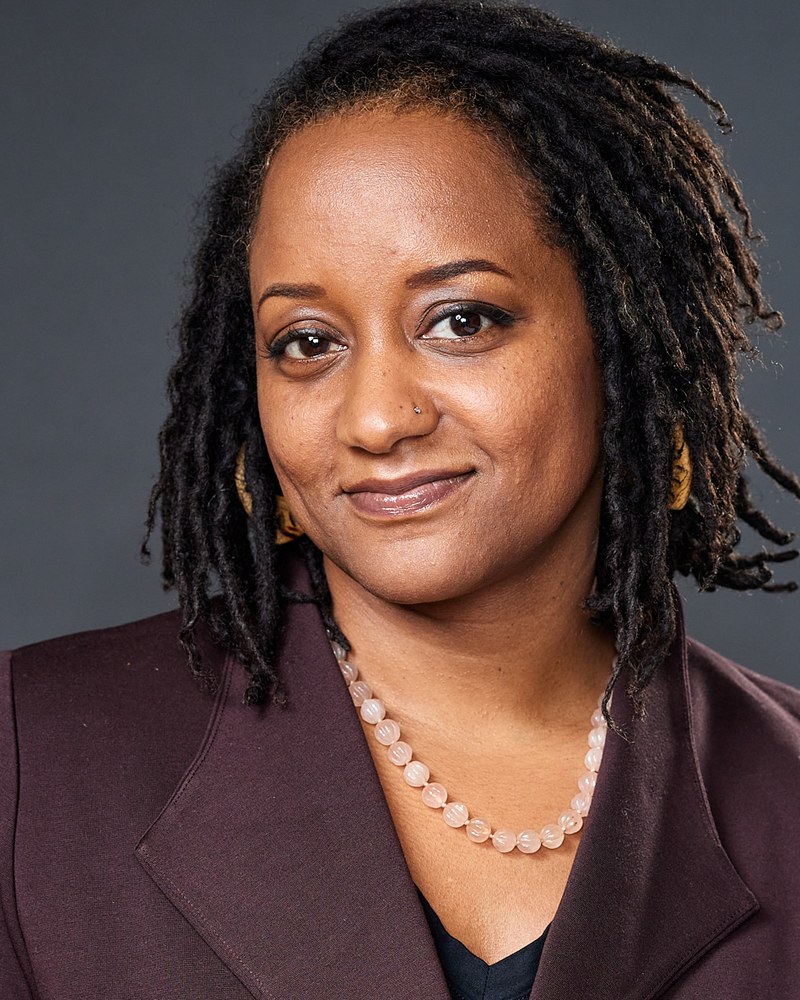
Shale Maulana
Contemporary mental health treatment remains largely organized around symptom categories — depression, PTSD, anxiety — rather than the underlying mechanisms through which healing occurs. This paper proposes that four distinct therapeutic modalities — neurofeedback, EMDR, clinical hypnosis, and psychedelic-assisted therapy — share a unifying mechanism: the intentional engagement with and modulation of states of consciousness. Across these modalities, therapeutic change is not primarily achieved through insight, behavioral reinforcement, or pharmacological correction. Rather, each approach works by temporarily shifting the client out of their habitual state — the neurological signature of their suffering — and into an altered state where new learning, somatic release, memory reconsolidation, or expanded perspective becomes possible. The mechanism, I argue, is fundamentally one of state access and state fluidity. Neurofeedback trains the brain to modulate its own oscillatory patterns in real time, building the neurological flexibility to move between activation states. EEG research consistently shows that dysregulated populations — those with trauma histories, affect dysregulation, or chronic stress — exhibit reduced spectral variability and state rigidity: a nervous system that cannot easily leave threat-dominant configurations. Neurofeedback directly addresses this rigidity, expanding the range of states the brain can access and sustain. EMDR and clinical hypnosis work within altered states — bilateral stimulation and trance induction, respectively — to access and reprocess encoded traumatic material that ordinary waking consciousness protects against. Both create what might be understood as a controlled dissociation from ordinary state constraints, enabling memory reconsolidation and affect regulation in ways that direct cognitive engagement cannot. Psychedelic-assisted therapy achieves perhaps the most dramatic state shift of all four modalities, temporarily dissolving default mode network dominance and enabling experiences of expanded self-reference, emotional openness, and perceptual flexibility. The therapeutic window created is not merely pharmacological; it is a state of consciousness in which the nervous system's habitual defenses are briefly suspended. A crucial and underexamined variable in this framework is the role of chronic systemic stressors — racism, poverty, displacement, intergenerational trauma — in producing the specific form of state rigidity that many clinical populations present with. These stressors do not merely cause symptoms; they shape the nervous system's baseline state, narrowing the range of consciousness it deems safe to inhabit. Liberation-focused clinical practice must therefore consider not only the techniques for accessing altered states, but the social conditions that make state fluidity feel impossible or unsafe. This framework has practical implications for treatment sequencing. Neurofeedback may serve as preparatory infrastructure for deeper states work — building the neural flexibility that allows EMDR, hypnosis, or psychedelics to be experienced safely and integrated effectively. Understanding these modalities as a coherent ecology of consciousness-based intervention, rather than competing treatments, opens new possibilities for individualized and culturally grounded healing.
Shale Maulana is a Brooklyn-based therapist and neurofeedback practitioner whose work integrates trauma healing with an explicit framework of systemic and liberation psychology. Holding a Master of Public Health and a Master of Social Work, she brings a population-level lens to individual clinical practice. She does integrative psychotherapy, specializing in neurofeedback, EMDR, somatic therapy, clinical hypnosis, and mindfulness-based approaches. With over 60 documented self-administered neurofeedback sessions alongside her clinical caseload, she occupies an unusual position as both practitioner and subject of this work. Her clinical and theoretical interests sit at the intersection of consciousness science, nervous system regulation, and the upstream social determinants of psychological dysregulation. She has presented on nervous system health and healing to public and professional audiences, and is developing a longer-form synthesis of this framework for a wider readership. She is a co-author of peer-reviewed research published in Frontiers in Public Health, examining racial and socioeconomic health disparities in New York City.