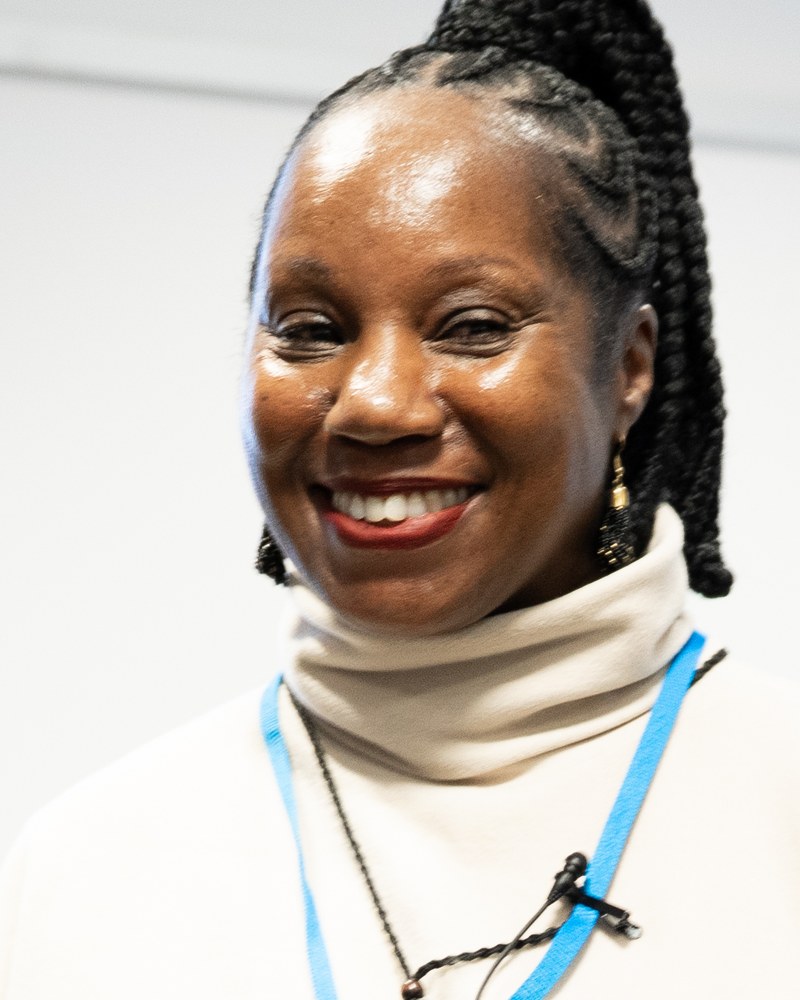
Sheila Pryce Brooks
Although sleep paralysis has been extensively studied as a physiological phenomenon, comparatively little attention has been given to whether the experience itself has been appropriately classified. Clinically, sleep paralysis is understood as the persistence of rapid eye movement (REM) sleep atonia into wakefulness, a definition that successfully characterises its defining physiological features. However, this classification provides only a partial account of the recurring phenomenological structure consistently reported across cultures and historical periods, including presence, interaction, agency, environmental awareness, multisensory perception, memory persistence and enduring transformative effects. Drawing on qualitative research, this paper argues that these experiences are more appropriately classified according to their phenomenological structure than solely their physiological characteristics. It proposes Threshold Contact Experience (TCE) as a complementary phenomenological framework that recognises the recurrent experiential organisation of these liminal states while remaining methodologically neutral with respect to competing neurological, psychological, cultural and ontological interpretations. By distinguishing phenomenological description from explanatory models, TCE provides a common framework through which diverse interpretations can be investigated without being assumed or privileged. By complementing existing physiological classification with a systematic phenomenological framework, TCE broadens the scientific study of sleep paralysis beyond motor inhibition alone and establishes a foundation for investigating liminal consciousness as a distinctive domain of enquiry. This reclassification has implications for interdisciplinary research into consciousness, anomalous experience and the relationship between the physiological state and conscious experience.
Dr Sheila Pryce Brooks is a sociologist, researcher, author and speaker specialising in sleep paralysis, liminal consciousness and anomalous experience. She completed her PhD at the University of York, where her research examined the lived experience of sleep paralysis and led to the development of the Threshold Contact Experience (TCE) phenomenological framework for understanding and classifying these experiences. Her work explores the relationship between consciousness, lived experience and the classification of anomalous phenomena, with the aim of advancing interdisciplinary research into transitional states of consciousness.