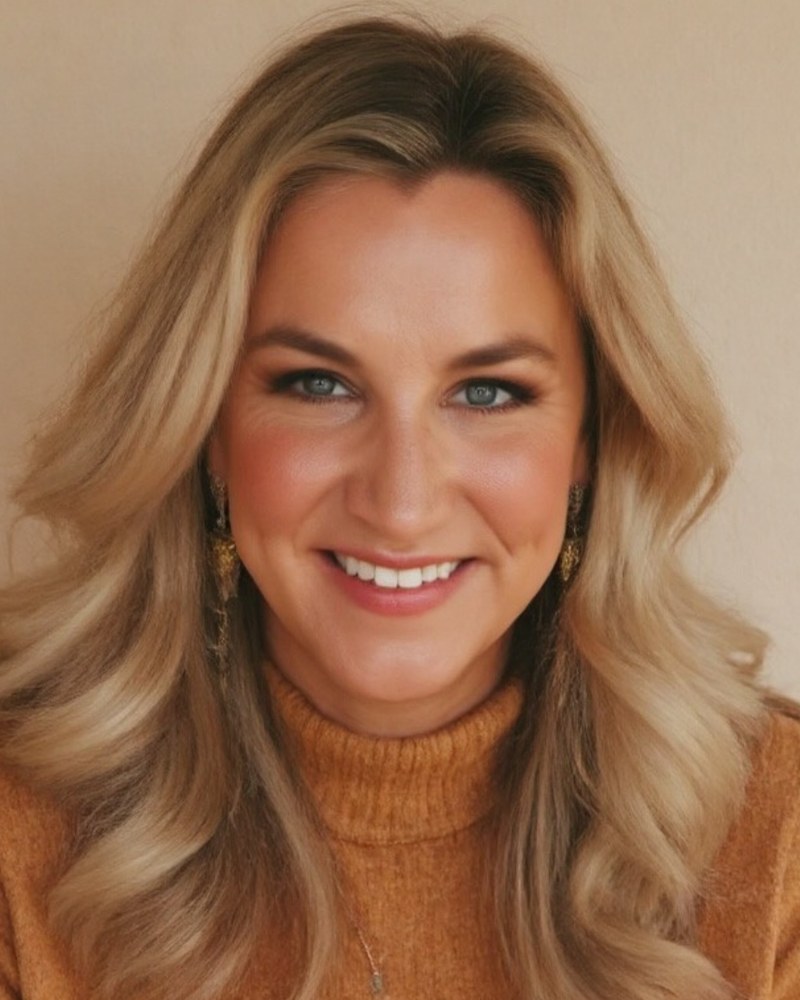
Tara Meyer-Robson
Contemporary theories of consciousness increasingly propose that subjective experience emerges from dynamic interactions between conscious and unconscious informational processes and, in some models, that consciousness itself plays a participatory role in shaping lived reality. While these theories offer compelling conceptual accounts, relatively few provide a structured framework for systematically identifying the unconscious organizational patterns underlying persistent psychological, behavioral, and mind-body phenomena. This poster introduces the Flow Factor Diagnostic Model (FFDM), a proposed conceptual and operational framework that translates a holographic model of consciousness into a structured approach for identifying recurring unconscious pattern organization. The model proposes that repetitive experiences, emotional tendencies, and mind-body symptom patterns cluster within seven identifiable domains of human experience, providing a systematic architecture for root-pattern assessment. Central to the framework is the Flow Factor Test (FFT), a structured assessment designed to identify dominant unconscious pattern organization through the integration of self-reported belief patterns and corresponding mind-body symptom domains. A complementary framework, the Reality Type Model (RTM), identifies dominant sensory learning preferences to personalize intervention strategies according to individual cognitive processing styles. Rather than serving solely as an explanatory model, the FFDM is presented as a proposed operational framework intended to stimulate interdisciplinary discussion regarding how unconscious pattern organization may be systematically identified, investigated, and applied within both research and practitioner settings. Potential future applications include practitioner assessment, personalized intervention design, consciousness research, and empirical investigation of relationships among unconscious pattern organization, subjective experience, and mind-body outcomes. Presented as a conceptual framework, the FFDM is intended to generate interdisciplinary dialogue and future empirical research exploring the relationship between consciousness, information, perception, and human transformation.
Tara Meyer-Robson is the founder of the Institute for Holistic & Intuitive Science and the developer of the Flow Factor Diagnostic Model (FFDM), the Flow Method®, the Body Decode Framework (BDF), and the Reality Type Model (RTM)—structured frameworks exploring the relationship between consciousness, subconscious belief architecture, mind-body health, and practitioner decision-making.
Following her own recovery from chronic fatigue syndrome, Tara devoted years to investigating why some individuals experience profound transformation while others remain caught in recurring patterns of illness, struggle, and limitation despite using similar therapeutic approaches. This inquiry led to the development of a series of structured frameworks designed to help practitioners systematically identify and address unconscious pattern organization underlying psychological, behavioral, and physical experiences.
Tara is the author of The Flow: 40 Days to Total Life Transformation, an Amazon bestselling book and ForeWord Book of the Year Award finalist. Her work has been presented internationally, including at the 2018 Science of Consciousness Conference, and she has lectured for healthcare organizations, universities, corporations, and professional organizations on consciousness, subconscious belief architecture, practitioner education, and mind-body transformation.
Through the Institute for Holistic & Intuitive Science, Tara leads research, practitioner education, and the continued development of structured root-cause assessment frameworks. Her professional certification programs have been independently reviewed as Master's Level Equivalent training, reflecting their educational depth and rigor. Her current research focuses on advancing interdisciplinary dialogue exploring consciousness, practitioner assessment, and structured approaches to identifying unconscious pattern organization.