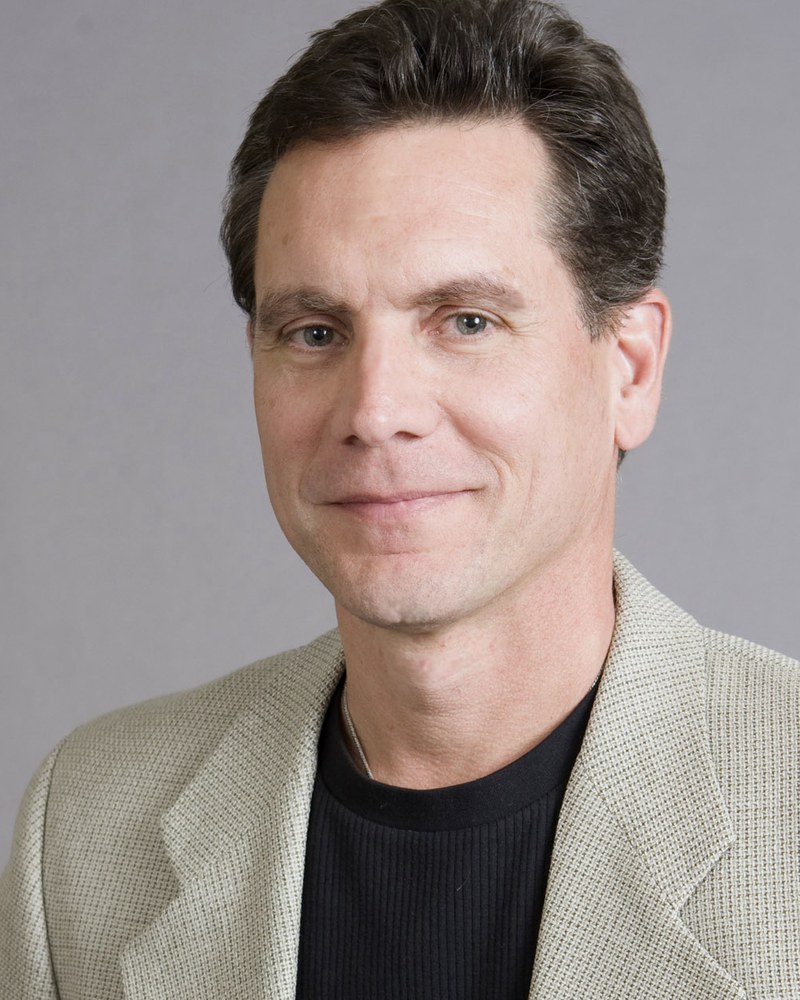
Thomas Haines
Consciousness research has long balanced the need for experimental control against the desire to study conscious experience as it is naturally lived. Contemporary research has generated important insights into attention, embodiment, respiration, multisensory perception, narrative, affect, and contemplative practice, yet these processes are typically investigated in isolation under tightly controlled laboratory conditions. Although this reductionist approach has advanced understanding of individual mechanisms, it necessarily simplifies the temporally unfolding, embodied, and socially situated nature of conscious experience. This paper explores a complementary methodological question: Can designed experiential settings preserve the ecological richness of lived experience while remaining experimentally repeatable, configurable, and empirically measurable? To explore this question, the paper introduces Transcendent Spaces as an initial implementation of a scalable immersive auditory methodology that coordinates respiration, vocalization, spatial audition, music, guided narrative, reflection, silence, and social synchrony within a repeatable experiential design. This configurable methodology allows individual experiential variables to be systematically manipulated while preserving the integrity of the overall lived experience. Rather than isolating individual interventions, it investigates how coordinated embodied and attentional processes interact to influence attention, perception, affective regulation, sense of self, and meaning-making over time. Drawing upon neuroscience, embodied cognition, predictive processing, ecological psychology, contemplative science, and phenomenology, the paper presents a methodological framework for investigating designed experiential settings as experimentally accessible contexts for interdisciplinary inquiry. Although demonstrated through an immersive auditory environment, the methodology is adaptable to virtual reality, immersive theatre, museum installations, educational settings, rehabilitation, healthcare, and other designed experiential contexts. By addressing the longstanding tension between experimental control and ecological validity, this work offers a practical methodology for investigating conscious experience within rich, integrated human activity. It provides a repeatable, configurable, and empirically testable approach for generating new research questions about conscious experience across diverse experiential contexts.
Thomas Haines is a researcher, composer, and educator whose work explores immersive sound, multimodal perception, and contemplative practices. He is a former Professor at the University of Cincinnati College-Conservatory of Music (CCM), where he founded the Film Scoring Institute, and also founded the Susan and Ford Schumann Film Scoring Program at the Aspen Music Festival and School. Haines holds Bachelor of Music (with Distinction) and Master of Music degrees in Composition from Butler University. His work has been recognized through distinguished teaching awards, nationally competitive research grants, and extensive professional conference presentations at the intersection of technology, education, immersive media, and creative practice. His current research investigates an experiential methodology for consciousness research, examining how designed experiential settings can generate empirically testable questions concerning the dynamic interaction of embodied, cognitive, affective, and social processes across diverse disciplines.