Quantum Biology and the Brain
 Zoom link
 Travis Craddock (Chair)
 Joseph Jacks
 Jack Tuszynski
 Nirosha Murugan
 Lea Gassab
 Mark Bailey
Led by Travis Craddock (Tier 1 Canada Research Chair in Quantum Neurobiology, University of Waterloo), this workshop explores emerging evidence and theoretical frameworks at the intersection of quantum physics, biology, and consciousness research. Together, the talks examine how quantum-scale processes may contribute to biological organization, neural information processing, and new scientific approaches to understanding mind and brain.
Part 1 (8:30 – 10:15 am) — presenters:
Joseph Jacks — The current state of quantum biology research. Quantum Life Technologies, San Francisco, CA, USA.
Jack Tuszynski — Quantum metabolism and the biological Planck constant. Professor of Biomedical Engineering at the Polytechnic University of Turin, Italy; Professor Emeritus at the University of Alberta, Edmonton, Canada; and Senior Scientific Advisor at NexiVerify, Vancouver, Canada.
Nirosha Murugan — Endogenous Brain Light and the Potential for Optical Communication. Tier 2 Canada Research Chair in Biophysics and Assistant Professor, Department of Health Sciences, Wilfrid Laurier University, Waterloo, Ontario, Canada.
Part 2 (10:45 am – 12:30 pm) — presenters:
Lea Gassab — Microtubules as quantum-optical systems in biology. Provost’s Interdisciplinary Postdoctoral Scholar in the Departments of Biology, Physics & Astronomy, and Chemistry, and the Waterloo Institute for Nanotechnology, University of Waterloo, Waterloo, Ontario, Canada.
Mark Bailey — From Quantum Sensing to Biological Function: A Spectral Framework for Measuring Multiscale Integration. Founder of DataField Intelligence LLC; Associate Director of the Center for the Future of AI, Mind, and Society; and Research Affiliate Professor, Department of Electrical Engineering and Computer Science, Florida Atlantic University, Boca Raton, Florida, USA.
Part 3: From Quantum Biology to Quantum Consciousness (4:15 – 6:00 pm) — presenters:
Daniel Lanino — Centrioles and consciousness. Ph.D. student and research assistant at the University of California, Los Angeles (UCLA).
Kelvin McQueen — Does the no-cloning principle prevent quantum consciousness? Assistant Professor of Philosophy at Chapman University and Affiliate Faculty of the Institute for Quantum Studies.
TBA — TBA.
Brain Electromagnetic Field Generation, Computation and Information Processing
Zoom link Bruce MacIver (Chair)
 Jonathan Schooler
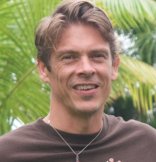 Tam Hunt
Electromagnetic field (EMF) theories of consciousness have been proposed to explain brain function for over seventy years. Interest in the theory continues because it explains mind–brain integration and offers a simple solution to the “binding problem” of our unified conscious experience — thereby addressing the “hard problem” of consciousness. EM fields are easily measured, and many correlates of field activity have been noted, associated with loss and recovery of consciousness, sensory perception, and behavior. This workshop brings together leading proponents of the EMF theory of consciousness to discuss how the brain generates EM fields, how these fields control neuronal activity via ephaptic interactions throughout the brain, and how field matrix computing can bring about information integration. Ample time is reserved for audience participation and speaker interactions — including discussion of theoretical and empirical support for the EMF’s role in consciousness, the self, the mind, mind–brain duality, and parapsychological possibilities such as telepathy and cosmic consciousness.
Presenters:
Jonathan W. Schooler, PhD — Background and history of EMF theories of consciousness. Schooler is a Distinguished Professor of Psychological and Brain Sciences at the University of California Santa Barbara, Director of UCSB’s Center for Mindfulness and Human Potential, and Director of the Sage Center for the Study of the Mind. His research intersects philosophy and psychology, including the relationship between mindfulness and mind-wandering and theories of consciousness. A former holder of a Tier 1 Canada Research Chair, his research has been featured on Closer to Truth, BBC Horizon, and Through the Wormhole with Morgan Freeman. With over 270 scholarly publications and over 50,000 citations, he is a six-time recipient of the Clarivate Web of Science Highly Cited Researcher Award and is ranked among the top 100 cognitive psychologists by ScholarGPS and AcademicInfluence.
M. Bruce MacIver, MSc, PhD — Experimental evidence showing how EMFs are generated by neurons and how the fields influence neuronal discharge. MacIver is a Professor Emeritus of neurophysiology at Stanford University, where he directs the Neuropharmacology Lab. He holds the 2004 Cox Medal from Stanford University and the 2017 Elemer Zsigmond Award from the International Society for Anaesthetic Pharmacology. He is interested in ways to measure consciousness as well as theories of consciousness, especially the electromagnetic field theory that our mind — and hence consciousness — resides in the ever-changing cloud of energy generated by our brains, which in turn influences our neural circuitry through ephaptic feedback. MacIver is a leading researcher developing new ways to visualize this energy cloud using non-linear dynamic analyses of EEG/MEG recordings.
Tam Hunt — Neuronal synchronization and rhythms that amplify and integrate EMF activity. Hunt is a scholar at UC Santa Barbara’s METALAB, where he studies consciousness and the philosophy of mind. He has been lead guest editor for two Frontiers in Human Neuroscience research topics, including “EM field theories of consciousness: Opportunities and obstacles” and “Mapping the resonome.” He is lead developer, with Jonathan Schooler, of the General Resonance Theory of consciousness, a public policy lawyer specializing in green energy and AI safety, and host of the Diamond Mind podcast. His website is tam-hunt.com.
Integrated Information Theory: History, Evidence, and AI
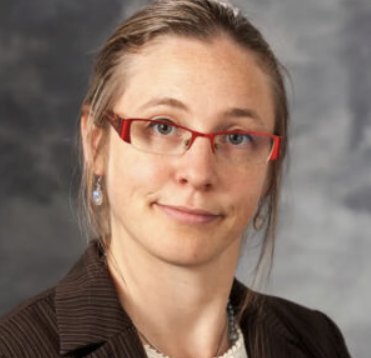 Melanie Boly (Chair)
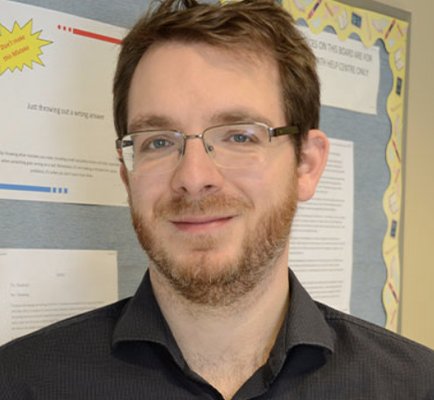 William Marshall
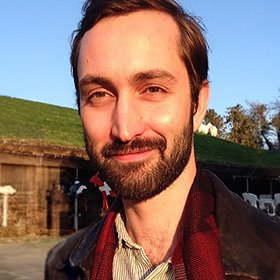 William Mayner
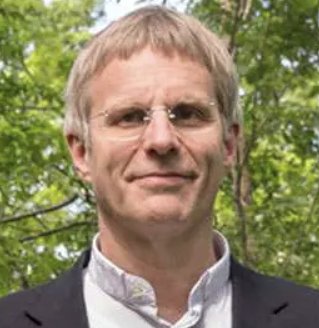 Giulio Tononi
This workshop reviews the history of integrated information theory, from its early formulation to current empirical and conceptual debates, and asks what the framework implies for consciousness, experimental testing, and machine intelligence. The central claim is that the AI question is critical and urgent, and that if IIT is roughly right, standard Von Neumann computers do not generate consciousness.
Presenters (2:00 – 3:45 pm) — theory and experiments, then AI, conclusions, and discussion:
Melanie Boly — IIT history, current status, and the experimental program. An overview of the theory, what has been established, and where the evidence still needs to be sharpened.
William Marshall — Experimental testing and progress updates. Professor at Brock University and long standing member of the IIT group, contributing perspective on the current experimental program and its limits.
William Mayner. IIT, computation, and AI consciousness. Developer of PyPhi and researcher at the University of Wisconsin in Madison, with interests in mechanistic interpretability and AI consciousness.
Giulio Tononi — Consciousness, AI, and the computationalist mainstream. The consciousness and AI angle is both critical and urgent. If IIT is roughly right, AI is not conscious at all as long as it runs on Von Neumann computers.
Discussion — The audience can take up the current confusion around computational functionalism.
Sound, Consciousness and Healing
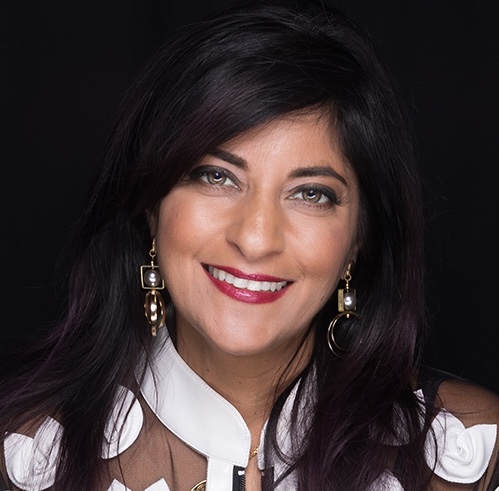 Shamini Jain (Chair)
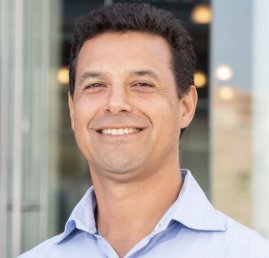 Joe Tafur
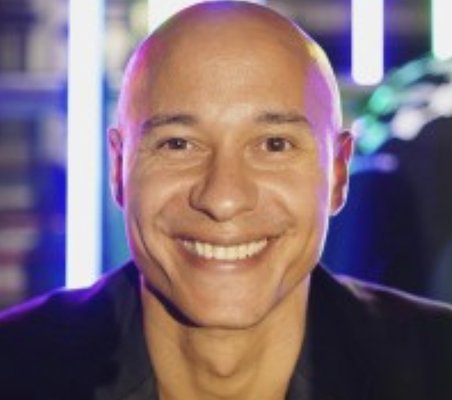 Robert Alexander
 Cassandra Vieten
The power of sound to shift consciousness and promote healing has been recognized for millennia and is now the focus of cutting-edge clinical research. This multidisciplinary workshop integrates Indigenous and traditional perspectives and practices on sound, consciousness, and healing with emerging scientific research on the therapeutic effects of sound, as well as sound’s relationship with the cosmos.
Topics will include the role of sacred song (Icaro) in spiritual healing within the Peruvian Shipibo tradition; Vedic and Tantric understandings of sound, energy and consciousness; the effects of space-weather sonification on human wellbeing; and a randomized controlled trial on biofield-based sound healing on negative affect and self-compassion for those with generalized anxiety disorder.
Participants will leave with a broader practical and scientific understanding of the power of sound to shift consciousness and support mental, emotional, physical, and spiritual healing.
Presenters:
Robert Alexander, PhD — Data-sonification specialist, composer, and CEO and co-founder of Auralab Technologies. As a NASA fellow he developed the audification algorithms used by NASA’s heliophysics data archive, and his work listening to satellite data has led to new discoveries about the Sun. He holds a PhD in Design Science from the University of Michigan, where he also served as Chief Innovation Officer. In his presentation, Sound Science: Exploring Inner and Outer Space Through Data Sonification, Dr. Alexander will describe his research transforming NASA data into sound, work that has led to scientific discoveries made by ear and to new ways of experiencing our connection to the cosmos. Sonification offers a stethoscope to the universe, and this talk traces a listening journey from the Earth beneath us to the storms of the Sun. The session closes experientially with a guided breath journey set to sonified solar wind, accompanied by the live debut of a new instrument driven by solar data.
Joe Tafur, MD — Colombian-American integrative family physician and curandero. He co-founded the traditional healing center Nihue Rao Centro Espiritual in the Peruvian Amazon, where he apprenticed in Traditional Amazonian Plant Medicine under master Shipibo healer Ricardo Amaringo. He is the author of The Fellowship of the River and co-founder of the nonprofit Modern Spirit, which works to demonstrate the value of spiritual healing in modern healthcare. In his presentation, Sacred Sound and Icaro in the Shipibo Tradition: Exploring the Role of Icaros and Sound in Ayahuasca Healing, Dr. Tafur will share from his experience living and working in the Peruvian Amazon, and from his work as a ceremonial practitioner. In The Doors of Perception, Aldous Huxley wrote, “After silence, that which comes nearest to expressing the inexpressible is music.” In Amazonian healing traditions, practitioners learn about mystical healing song from nature, from connection to the master plants and the forest. The metaphysical potential of healing song is further developed within intuitive ceremonial practices also guided by the plants and further informed by dialogue and consensus with experienced elders and colleagues.
Shamini Jain, PhD — Founder of the nonprofit Consciousness and Healing Initiative (CHI), adjunct professor in the Department of Family Medicine at UC San Diego, clinical psychologist, psychoneuroimmunology researcher and author of the two-time award-winning book Healing Ourselves: Biofield Science and the Future of Health. Dr. Jain’s published research includes randomized controlled trials of biofield-based healing and meditation interventions for cancer-related fatigue, post-traumatic stress and more. In her presentation, Sound Mind: Do Biofield-Based Sound Healing Approaches Improve Mental Health?, Dr. Jain will share a data-informed journey into the study of a modern biofield-based sound healing approach (Biofield Tuning) for mental health. Drawing from her feasibility and randomized controlled trial research, she will discuss findings from studies with biofield tuning, as well as the opportunities and challenges involved in rigorously studying sound- and biofield-based therapies for patient care. Her presentation will conclude with a guided biofield-based sonic experience, inviting participants to directly explore the relationship between sound, consciousness, and the felt experience of energy from a sonic tantric approach.
Cassandra Vieten, PhD — Clinical Professor and Director of the Center for Mindfulness at the Centers for Integrative Health in the Department of Family Medicine at UC San Diego, Director of Research at the Arthur C. Clarke Center for Human Imagination, and Clinical Psychology Director at UCSD’s Psychedelics and Health Research Initiative. She is a Senior Fellow at the Institute of Noetic Sciences, where she served as President from 2013–2019. Dr. Vieten will facilitate a brief panel discussion among the presenters and audience at the end of the workshop, exploring the breadth of approaches to sound and its relationships with consciousness and health.
Psi and the Evolution of Consciousness Science
 Thomas Brophy (Chair)
 Claudia Welss
 Dean Radin
 Helané Wahbeh
 Erik Brinsmead
 Sitara Taddeo
 Carole Griggs
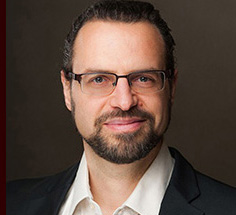 Arnaud Delorme (Discussant)
This workshop explores the position that incorporating psi phenomena and psi research into a new scientific framework that can sustain their existence will be the centerpiece of a revolution in scientific method and framework needed to incorporate a science of consciousness, and emerging phenomenology including UAP, into a whole-of-reality ontology. The workshop runs in two parts: Part 1 in the late morning and Part 2 in the afternoon.
Part 1 (10:45 am – 12:30 pm)
Thomas Brophy, Chair, IONS President (5 min) — Workshop introductory overview.
Claudia Welss, IONS Executive Chair (25 min) — From the Overview Effect that inspired IONS’ founding to Global Mind Change and the Global Consciousness Project, this talk introduces the evolution of IONS’ research and citizen-science-based engagement work toward a more interconnected view of mind and reality. It explores how these ideas have shaped IONS’ mission and their implications for the future of consciousness in the human world.
Dean Radin, IONS Chief Scientist (25 min) — Nonlocal Minds: Information Without Boundaries. From StarGate’s remote viewers to random number generators whose outputs correlate with mental intention, psi research suggests that these phenomena are all linked to ways that information “flows” through space and time. This talk traces an arc from classified remote viewing programs, to mind–matter interaction studies with truly random systems, and to a new generation of experiments probing the quantum observer effect. Taken individually, these are curiosities. Taken together, they suggest something more provocative: consciousness may entail a mode of nonlocal information access that transcends the skull and is unbound by the everyday constraints of space, time, or causality.
Thomas Brophy, IONS President (25 min) — This talk introduces IONS’ new strategic pillar “IONS-Y” and explores the development of scientific and philosophical frameworks that explicitly incorporate consciousness and psi into a broader ontology of reality. It considers how such frameworks will complement IONS’ long history of psi research data “IONS-X” (radical empiricism), and may help unify findings from consciousness studies, psi and AI, anomalous phenomena-UAP, and emerging scientific paradigms.
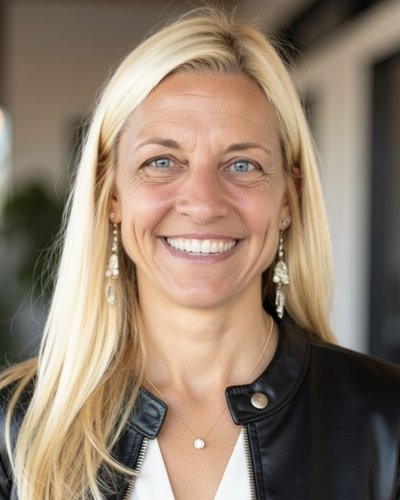
Carole Griggs (25 min) — The Kairos project tested whether AI could assess adult developmental stage from everyday chatbot conversations. AI ratings showed strong agreement with human experts (κ = 0.828), with 90% falling within one stage, and reliability improved with conversational depth. The results support AI as a scalable approach to developmental assessment. (And possible speculation on stage/state impact to UAP experience.)
Part 2 (2:00 pm – 3:45 pm)
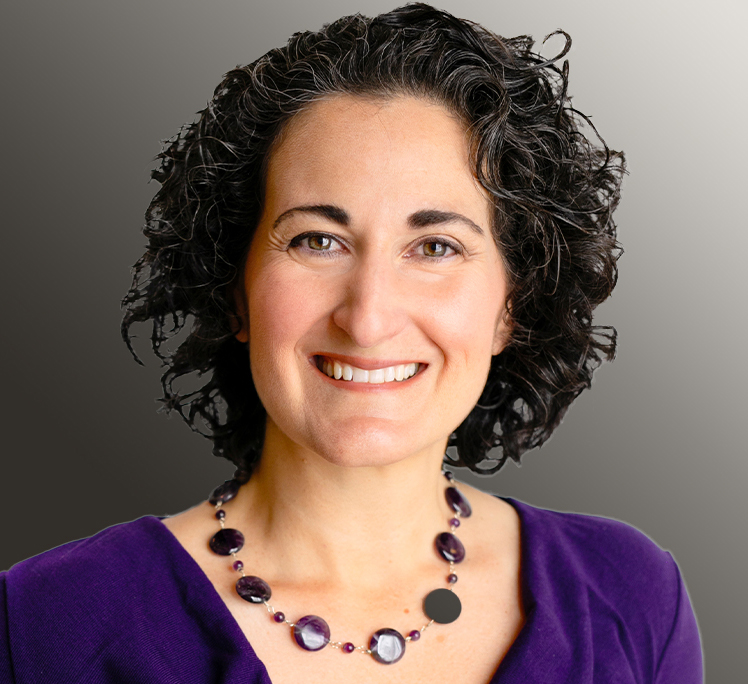
Helané Wahbeh, IONS Director of Research (25 min) — This talk presents a research program that brings trance-channeled communications attributed to extraterrestrial intelligences into disciplined empirical study, combining structured interviews, transformer-based semantic analysis, and reflexive thematic analysis, without adjudicating the ontological status of the purported sources. The findings demonstrate measurable internal organization and convergent themes across independent channelers, offering a replicable template for studying contested consciousness- and UAP-adjacent phenomena as organized meaning-making discourse.
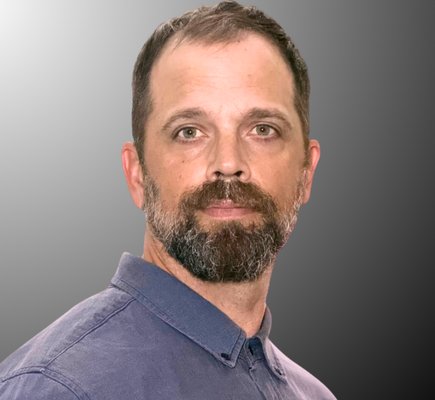
Erik Brinsmead, IONS AI Lead (25 min) — This talk presents the Telepathy Evidence Map, a structured synthesis of experimental telepathy literature that connects claims to reported outcomes. The map serves as a working example of how IONS is applying current agentic tooling across the research pipeline, from automated content extraction and version-controlled knowledge storage to a dedicated review interface for rigorous human-in-the-loop verification. This approach aims to accelerate consciousness research while preserving scientific rigor.
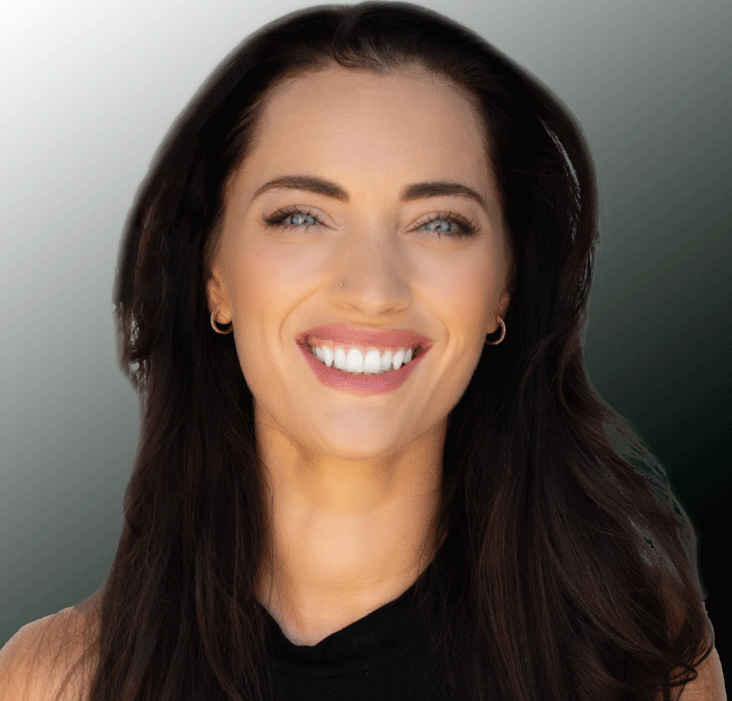
Sitara Taddeo, IONS Science Team (25 min) — This talk presents findings from the Mind-to-Mind research program, a structured screening approach for identifying participant pairs who report recurrent telepathic experiences and testing their performance under controlled conditions. Using a remote intention-discrimination task with 100 screened dyads, the study found that receivers exceeded chance performance significantly more often than predicted by a binomial null model. These results support the feasibility of a staged research framework, combining participant identification, behavioral verification, and future physiological investigation, for advancing rigorous inquiry into interpersonal psi phenomena.
Thomas Brophy, Chair, IONS President (5 min) — Wrap-up and discussion lead.
Q&A and discussion including Arnaud Delorme (25 min)
Research at the Edge of Consciousness: OBEs, Past Life Memories and Altered States of Consciousness
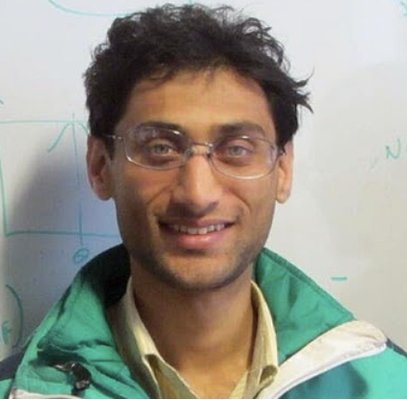 Kunal Mooley (Chair)
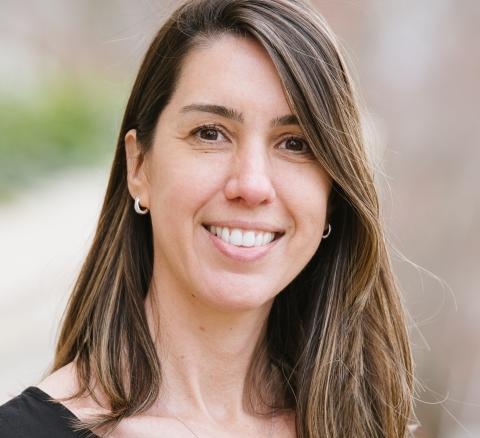 Marina Weiler
 Saeedeh Sadeghi
 Martin Fleming
 Marjorie Woollacott
At the borderlands of consciousness, near-death experiences (NDEs), out-of-body experiences (OBEs), and reports of past-life memories raise pointed questions about whether consciousness depends entirely on the brain. This workshop reviews the scientific study of these phenomena — from prospective hospital NDE research and tests of perception during OBEs to systematically investigated cases of children who report past-life memories — and what they may imply for theories of mind.
Part 1 (8:30 – 10:15 am) — presentations:
Marina Weiler (UVA/DOPS) — Veridical out-of-body experiences.
Saeedeh Sadeghi (UVA/DOPS) — Past-Life Memories in Children: Common Patterns Across Many Cases.
Martin Fleming (SPi, BIHS) — Quantitative Experimentation with Remote Perception.
Kunal Mooley (IMICS, IITK, Caltech; Chair) — Exploring the Mind Body problem through Neurobiological Studies of children claiming past life memories.
Part 2 (10:45 am – 12:30 pm) — opening presentation, then panel discussion with all presenters:
Marjorie Woollacott, PhD (Institute of Neuroscience, University of Oregon, Eugene) — Near-Death Experiences: Do Reduced Neural Filters Allow Expanded Awareness?
The Varieties of Non-Human Consciousness
Zoom link Stuart Hameroff (Chair)
 Susan Schneider
AI
Giulio TononiIntegrated Information
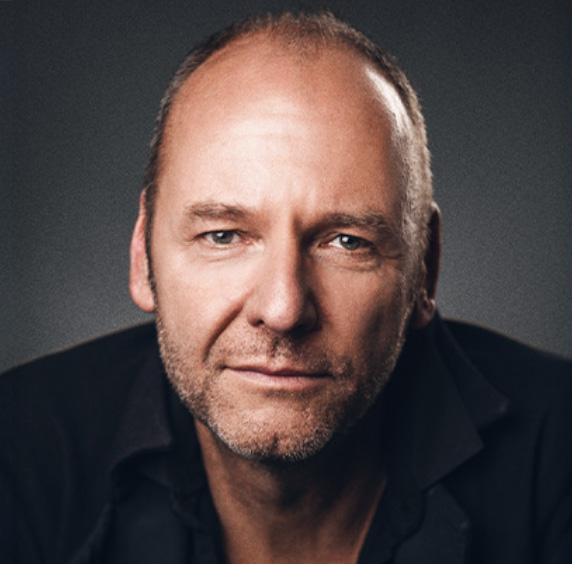 Hartmut Neven
Quantum AI
Bruce MacIverPlant
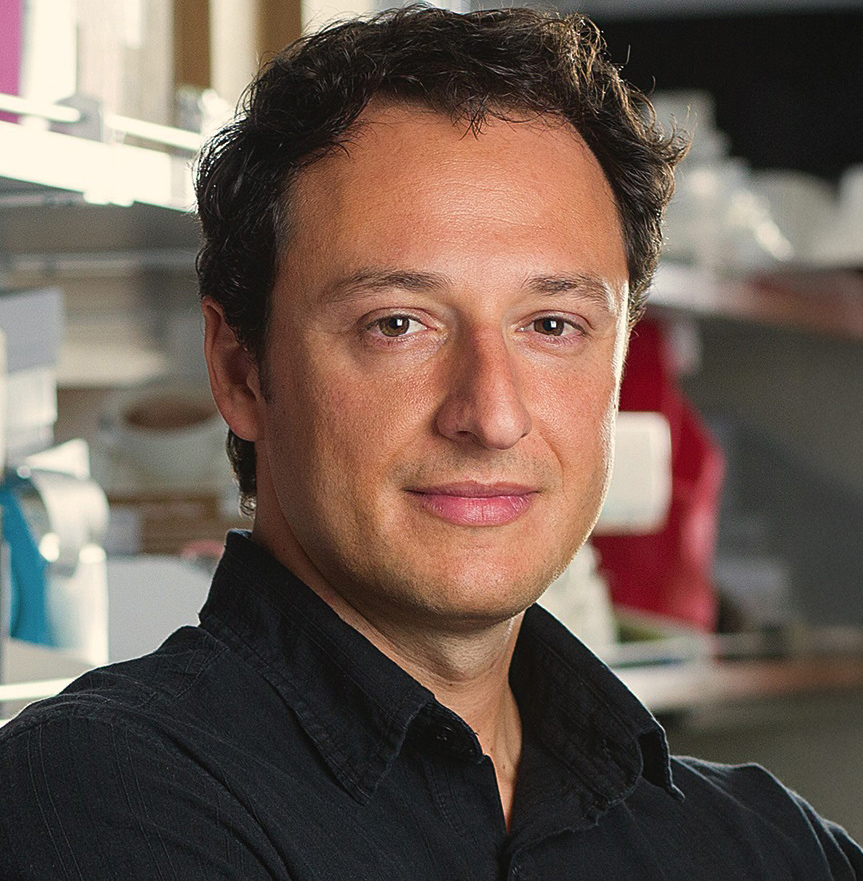 Alysson Muotri
Organoid
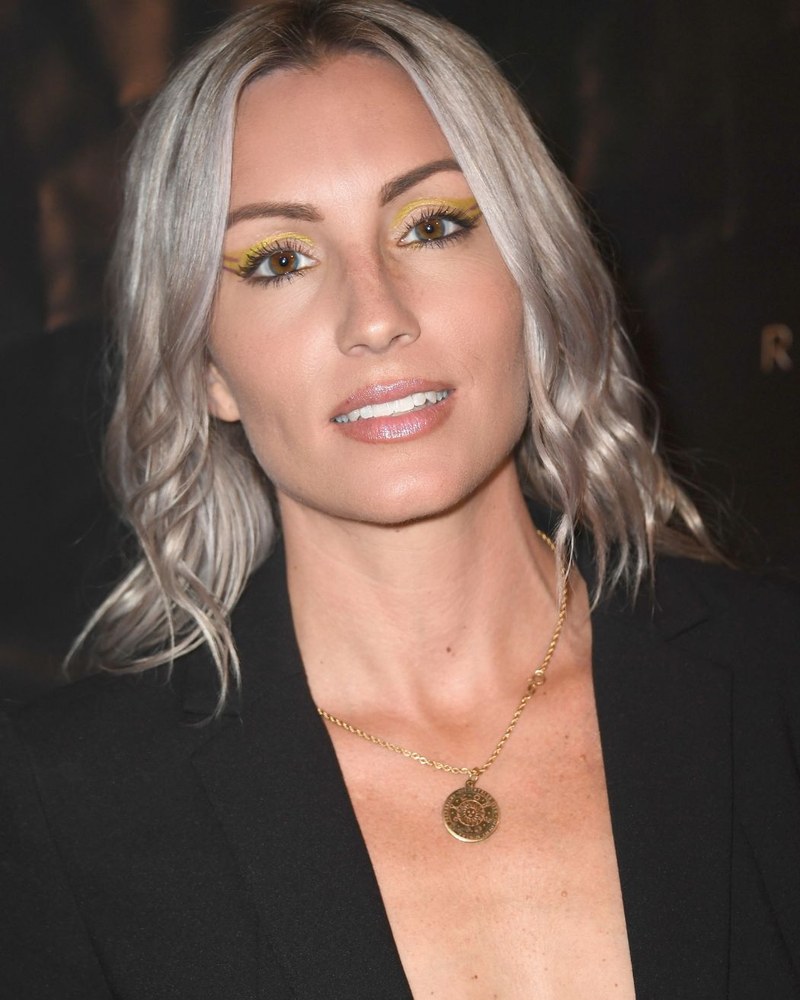 Dana Kippel
Plasmoid
 Anirban Bandyopadhyay
Organic Brain Jelly
 Mike Wiest
Microtubule/Spacetime
Could consciousness extend beyond the human brain — to animals, plants, cultured neurons, or artificial systems? This workshop probes the criteria and evidence for consciousness in non-human systems, from brain organoids and microtubule-based models to machine intelligence, and asks how we might recognize or measure minds unlike our own.
The session runs as a series of fast 10-minute presentations, with each speaker offering a concise, focused talk followed by brief discussion.
Consciousness, Psychedelics, and Healing
 Rael Cahn
(Chair)
Joe Tafur Eve Ekman
 Cristina Lanata
The deepest forms of healing have long been understood as inseparable from spiritual transformation — a reorientation of the self toward connection, wholeness, and unity beyond ordinary egoic experience. This workshop brings together three physician-scientists and a contemplative scientist to examine spiritual healing as both lived reality and emerging science. Rael Cahn (USC) presents two decades of EEG, ERP, and neuroimaging research comparing meditative and psychedelic states and current work on mindfulness-assisted psilocybin therapy grounded in non-dual awareness. Joe Tafur (Modern Spirit) explores the role of spiritual healing in psychedelic-assisted therapies, drawing on his new book Medicine Song: Spiritual Healing and the Psychedelic Renaissance, his work with psychedelic therapies, and his training in South American curanderismo. Eve Ekman (UCSF and USC) asks what contemplative science gave up when it set aside the sacred in order to become scientifically respectable, and what Vajrayana frameworks and longitudinal, community-based research might offer psychedelic science before it repeats that error. Cristina Lanata (NIH and Nova Institute for Health Fellow) brings the perspective of a rheumatologist and genomic physician-scientist to explore healing as the restoration of homeostasis. Using autoimmunity as a model, she asks whether profound changes in consciousness might influence the interconnected systems that regulate health — and what this could teach us about healing beyond targeting individual biological pathways. Together they ask how a science of consciousness might take spiritual healing seriously without reducing it.
Part 1 (8:30 – 10:15 am) — presenters:
B. Rael Cahn, MD, PhD — The Dissolving Self: Neurophysiology of Meditative and Psychedelic States and Their Healing Potential.Cahn is Clinical Associate Professor of Psychiatry at the Keck School of Medicine of USC and Director of the USC Center for Mindfulness Science, where he leads the Meditation and Psychedelic Therapy Lab. Drawing on more than twenty years of EEG, ERP, and neuroimaging research, he compares how long-term meditation and psilocybin reshape sensory and cognitive processing, narrative self-referencing, and the felt sense of selfhood. He examines where contemplative and psychedelic states converge and diverge at the neural level, and how self-dissolution and non-dual awareness may serve as active ingredients in psychological healing — drawing on current work in mindfulness-assisted psilocybin therapy for depression to consider how rigorous neuroscience can illuminate, rather than explain away, the therapeutic power of self-transcendence.
Eve Ekman, PhD, MSW — Not Repeating the Mistake: The Sacred, Vajrayana Frameworks, and What Makes Transformation Last.Ekman is a contemplative scientist, emotion researcher, and Vajrayana practitioner and teacher affiliated with UCSF and USC; she was an early qualitative researcher on one of the first University of California psilocybin studies, a founding instructor for UC Berkeley’s Center for the Science of Psychedelics, and co-creator, with her father Paul Ekman, of the Atlas of Emotions. She argues that meditation research removed the sacred to become scientifically acceptable, stripping away philosophical, ethical, and relational dimensions that may be central to its transformative power — and that psychedelic science now risks the same reduction of ceremonial and spiritual traditions to pharmacology and short-term outcomes. Drawing on Vajrayana practices of visualization, compassion, and non-dual awareness as detailed maps of inner experience, she asks how they might inform preparation, integration, and embodiment, and calls for longitudinal, community-based methods able to track what changes over years: emotional flexibility, compassion, worldview, and how one actually lives.
Weaving in and out of Dr. Cahn and Dr. Ekman’s talks will be guided meditations, experientially illustrating the topics of intellectual discussion.
Part 2 (10:45 am – 12:30 pm) — presentation and closing panel:
Joe Tafur, MD — Medicine Song: Spiritual Healing and the Psychedelic Renaissance.Tafur is a Colombian-American integrative physician, curandero, and author who trained for years in Traditional Amazonian Plant Medicine and South American curanderismo at Nihue Rao Centro Espiritual in Peru, and co-founded the nonprofit Modern Spirit and the Church of the Eagle and the Condor. Drawing on his most recent book, he explores spiritual healing as the heart of both Indigenous plant medicine and the contemporary psychedelic renaissance. Taking the prophecy of the Eagle and the Condor — the re-harmonizing of science and spirit, mind and heart — as a guiding frame, he examines the role of spiritual healing in modern medicine, arguing that sacred plants and psychedelic medicines, offered responsibly, can catalyze profound emotional healing through spiritual awakening — associated improvement in emotional and spiritual well-being are increasingly legible through modern advances in psychoneuroimmunology, epigenetics, and consciousness research.
Cristina Lanata, MD — Healing as Homeostasis: Can Consciousness Influence Immune Regulation?Lanata is a physician-scientist and rheumatologist at the National Human Genome Research Institute and a Nova Institute for Health fellow whose work integrates genomics and whole-person deep phenotyping to understand heterogeneity in autoimmune disease. Modern medicine has transformed autoimmunity by targeting individual inflammatory pathways, yet immune homeostasis emerges from interactions across biological systems, and patients may remain profoundly symptomatic even when inflammation is controlled. Lanata asks whether healing might therefore require more than suppressing individual components of disease: could profound transformative experiences influence regulatory processes linking the brain, autonomic nervous system, behavior, and immunity? Using autoimmunity — the loss of appropriate tolerance to self — as a model, she explores whether enduring changes in consciousness, threat perception, connection, and meaning might influence the biological environment in which immune regulation occurs, and what evidence would be needed to determine whether such transformation can contribute to restoring system-level homeostasis.
Closing panel — Taking Spiritual Healing Seriously: Toward a Non-Reductive Science of Consciousness.All four presenters join a moderated discussion with the audience on how a science of consciousness might engage spiritual healing on its own terms — honoring the relational, cultural, and ethical contexts of contemplative and Indigenous practices while subjecting their mechanisms and outcomes to rigorous study, and asking what methods could capture transformation as it actually unfolds, over years and within communities of practice. The session also includes a number of experiential exercises drawn from both meditative and Indigenous traditions — practices of the kind used in concert with meditation-assisted psychedelic therapy and in traditional Native American ceremony — so that participants can engage these approaches directly rather than only hearing them described. The closing Q&A will include time for small-group discussion and group sharing alongside questions to the panel.
The MindSwan Prize: The Search for Extraocular Perception
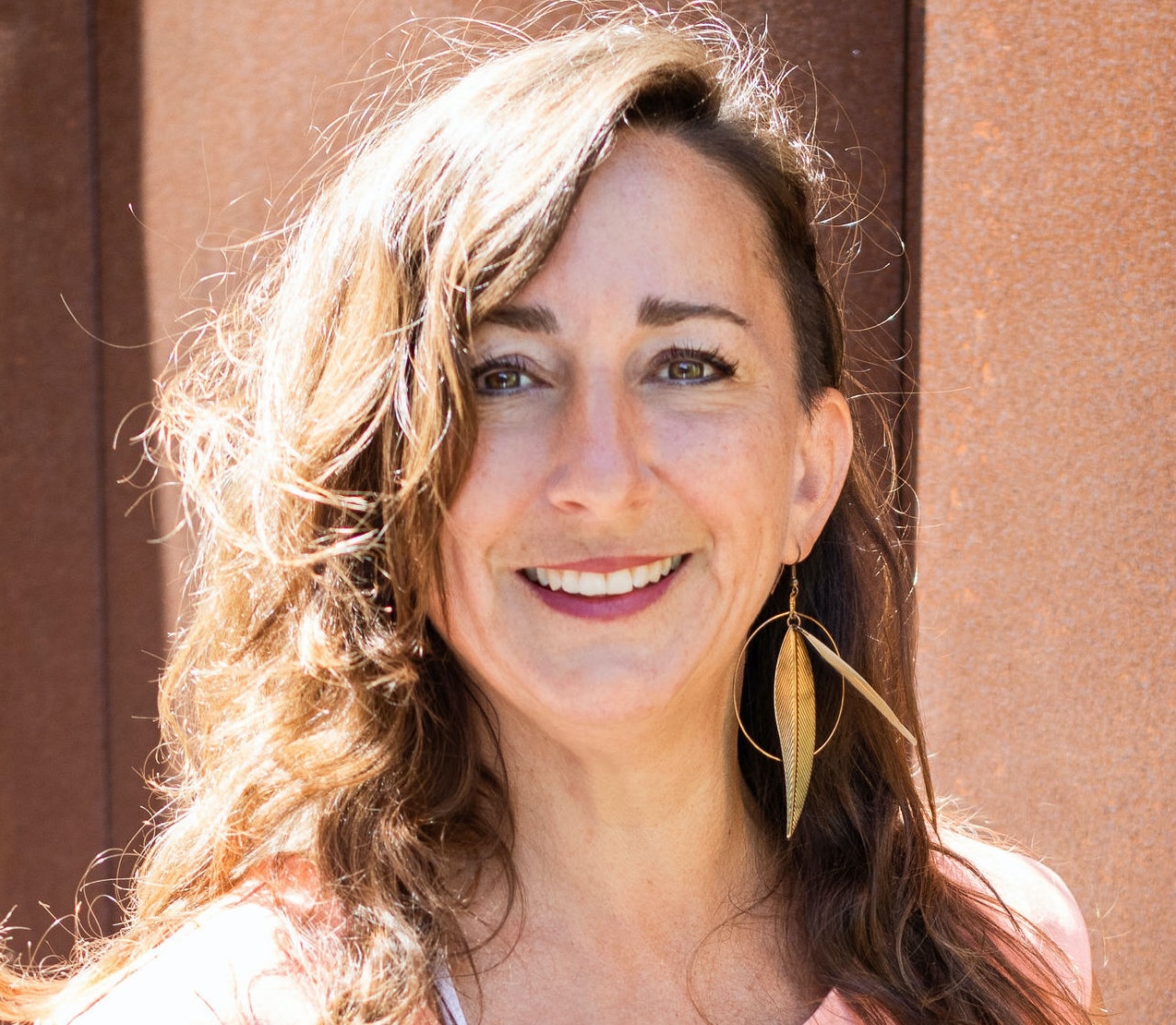 Stacey Murphy (Chair)
 Jackie RotmanMarina WeilerJonathan Schooler
Extraocular perception — the claimed ability to perceive without the eyes — is a striking and contested frontier in consciousness research. The MindSwan Prize is an international scientific challenge that investigates such claims through rigorous, replicable methods. The workshop unfolds as follows:
Stacey Murphy (CUSAC) opens the session. Jackie Rotman, a mindsight and intuition teacher, then gives a live demonstration of the MindSwan protocol. The scientists follow: Marina Weiler (neuroscientist, Division of Perceptual Studies, University of Virginia) reviews what extraocular perception is, the existing scientific literature, and videos of current claims — then the MindSwan research protocol, the challenges it raises, and how they can be met with scientific rigour. Jonathan Schooler (University of California, Santa Barbara) explains the vision behind the MindSwan Prize and how open scientific challenges can advance consciousness research through collaboration and public participation. The session closes with an open discussion with all speakers, considering what successful results would actually represent and how future studies could distinguish between competing explanations.
MAHP — Mindful Awareness Healing Practice
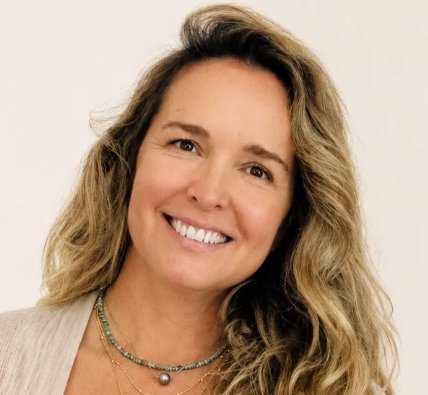 Kelli (Kai) Silva
An interdisciplinary contemplative workshop created by Dr. Kelli (Kai) Silva (Ph.D. Philosophy/Metaphysics). Mindful Awareness Healing Practice (MAHP) is an integrative experiential approach designed to cultivate awareness through mindful movement, breath regulation, meditation, and heart-centered practices. This workshop explores the relationship between body awareness, emotional regulation, and expanded states of consciousness by inviting participants to move from cognitive processing into direct embodied experience.
Through gentle movement, intentional breathing, guided meditation, and reflective awareness practices, participants will explore the connection between the body, mind, and heart as pathways for deeper self-awareness. Inspired by contemplative traditions and supported by emerging research on mindfulness, compassion, and mind-body practices, MAHP emphasizes qualities such as presence, gratitude, compassion, and connection. Participants will be guided through a progressive experience including grounding techniques, mindful movement, breath awareness, heart-focused meditation, and integration practices. The session is accessible to all levels and does not require previous yoga or meditation experience.
MAHP was developed as part of my doctoral exploration of Heart-Centered Awareness and has been shared in community and wellness settings, including an 8-week pilot experience with the UCSD Stein Institute for Research on Aging team, where participants reported improvements in calmness, emotional balance, focus, and overall well-being. This experiential workshop invites participants to explore consciousness not only as a concept to be studied, but as a lived experience accessed through awareness, embodiment, and the intelligence of the heart.
Sessions also held Monday through Friday, before the official program. kaisilva.com
Life as Manifestation: Origin of Life and Consciousness in the Framework of T-Consciousness Theory
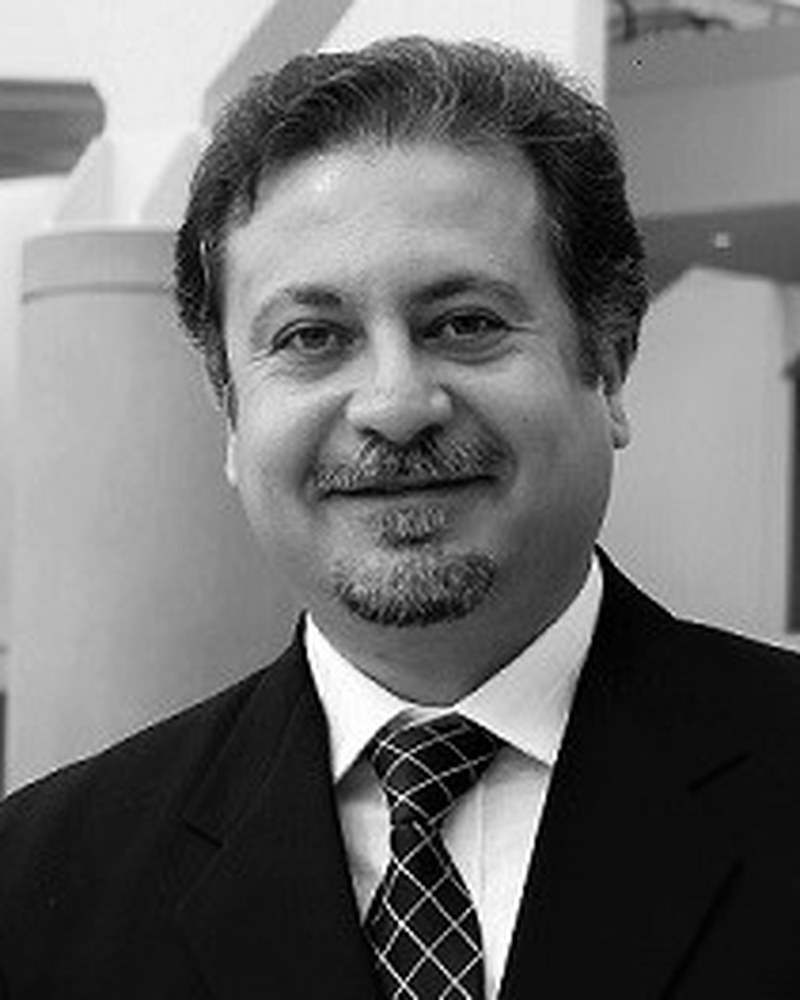 Farzad Ahmadkhanlou
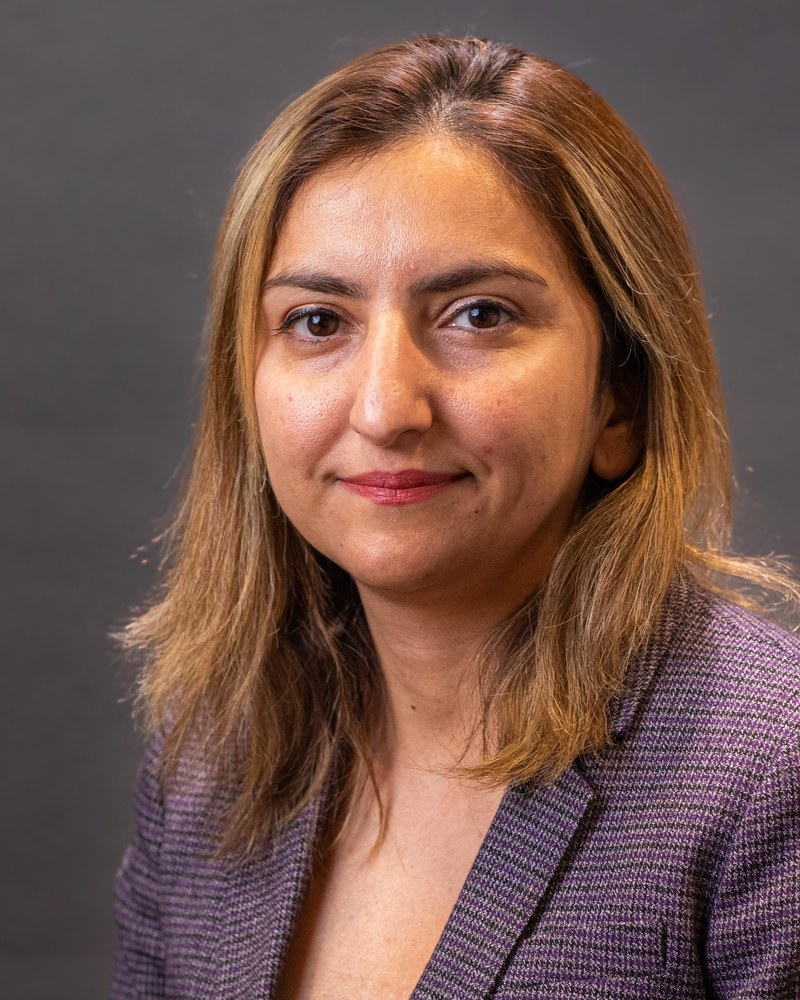 Simin Rahighi
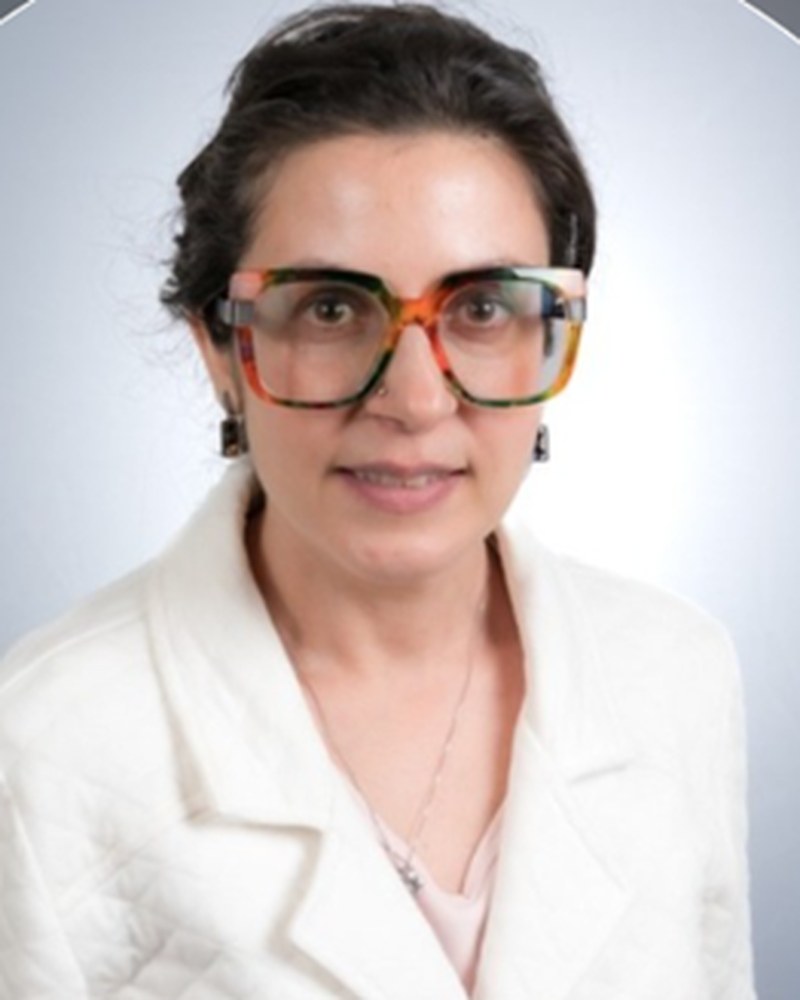 Noushin Nabavi
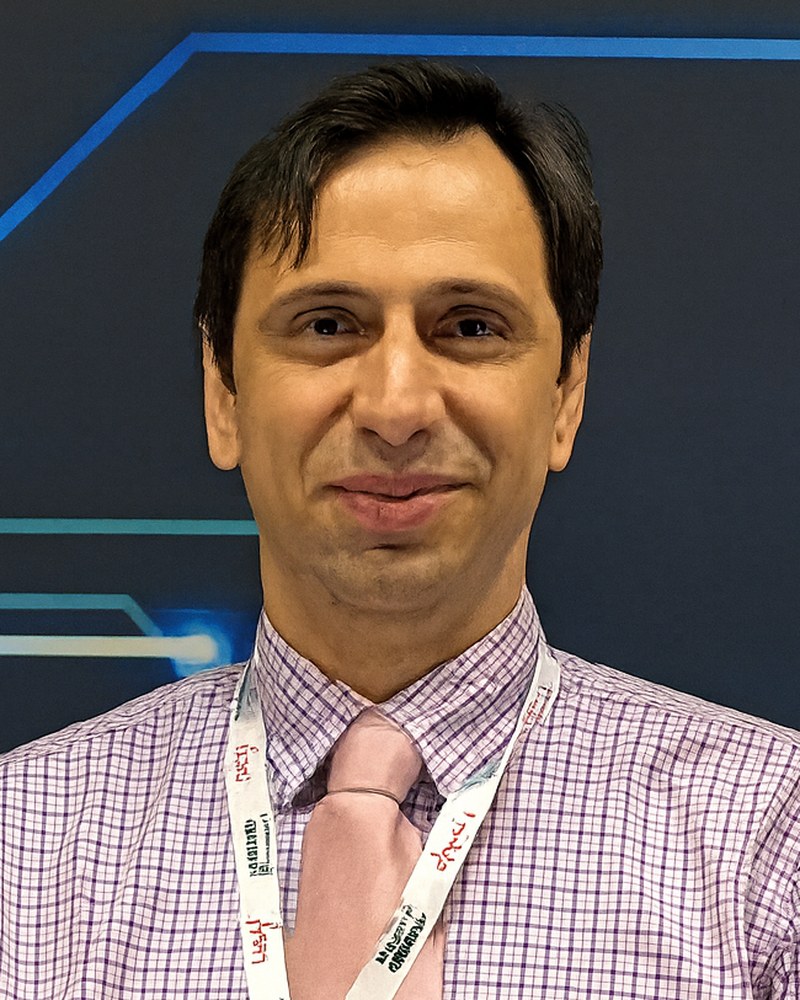 Afshin Lorestani
This workshop examines the origin of life, biological evolution, consciousness, and cosmic order through T-Consciousness theory. It treats life as a manifestation of information and intelligence under suitable physical and material conditions, and asks whether material explanations alone fully account for the emergence and evolution of living systems.
Part 1 (2:00 – 3:45 pm) — presentations:
Farzad Ahmadkhanlou and Noushin Nabavi — Origin of Life: Current Scientific Models and Unresolved Questions. A critical review of prebiotic chemistry, biological organization, and the unresolved transition from chemistry to living systems.
Farzad Ahmadkhanlou — T-Consciousness as a Universal Organizing Principle: Information, Intelligence, and Consciousness. A framework-level introduction to the theory and its implications for biology and cosmology.
Noushin Nabavi — Evolution, Adaptation, and the Development of Living Systems. A systems biology perspective on how living organization develops and adapts.
Part 2 (4:15 – 6:00 pm) — presentations and discussion:
Afshin Lorestani and Farzad Ahmadkhanlou — Entanglement and Universal Interconnectedness. A discussion of how interconnectedness is framed within the T-Consciousness model.
Simin Rahighi — Consciousness Beyond the Brain and Non-Neural Intelligence. A look at consciousness-centered biology outside a strictly neural frame.
Afshin Lorestani and Noushin Nabavi — Earth, Cosmos, and Biological Dark Energy: Emerging Perspectives. A broader view of biological order in relation to cosmology and systems science.
Panel discussion — Implications for Biology, Consciousness Studies, Cosmology, and Systems Science. Includes Q&A and live experience of TCFs.