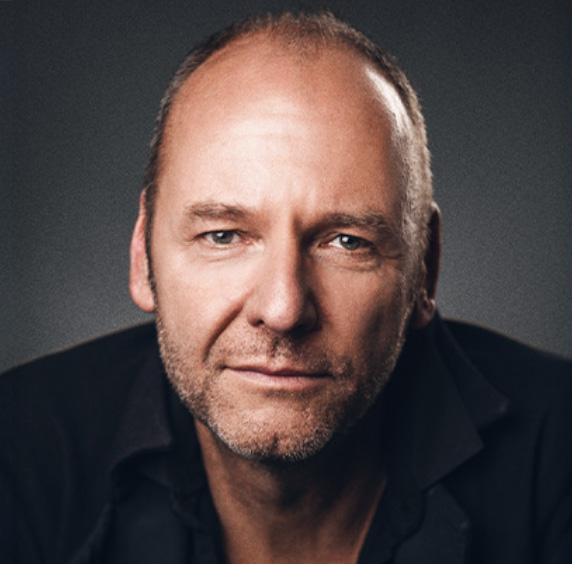
Hartmut Neven
A rigorous test of a theory of consciousness requires demonstrating the ability to predictably alter subjective experience—for instance, by increasing the number of bits experienced per unit of time or by inducing specific qualia. To test our hypothesis that conscious experience results from the formation of quantum superpositions, we propose to coherently link quantum degrees of freedom in a brain to a quantum processor. Recognizing the formidable technological challenges of engineering such an interface, we first seek to identify quantum degrees of freedom suitable for coupling. To this end, we study the effects of anesthetics that reversibly quench consciousness. We report large and statistically significant isotope effects in the behavior of fruit flies (Drosophila melanogaster) exposed to isotopologues of nitrous oxide and isotopes of xenon. We complement these behavioral findings with NMR and electrophysiological studies using human brain organoids, laying the groundwork for future brain-quantum computer interfaces.
Hartmut Neven is a German American scientist and entrepreneur working in quantum computing, computer vision, robotics and computational neuroscience. He is best known for his work in face and object recognition and his contributions to quantum machine learning. He is currently Vice President of Engineering at Google where he leads the Quantum Artificial Intelligence Lab, which he founded in 2012